5.21-6.7, 2020
India Art Hall Gong, Seoul
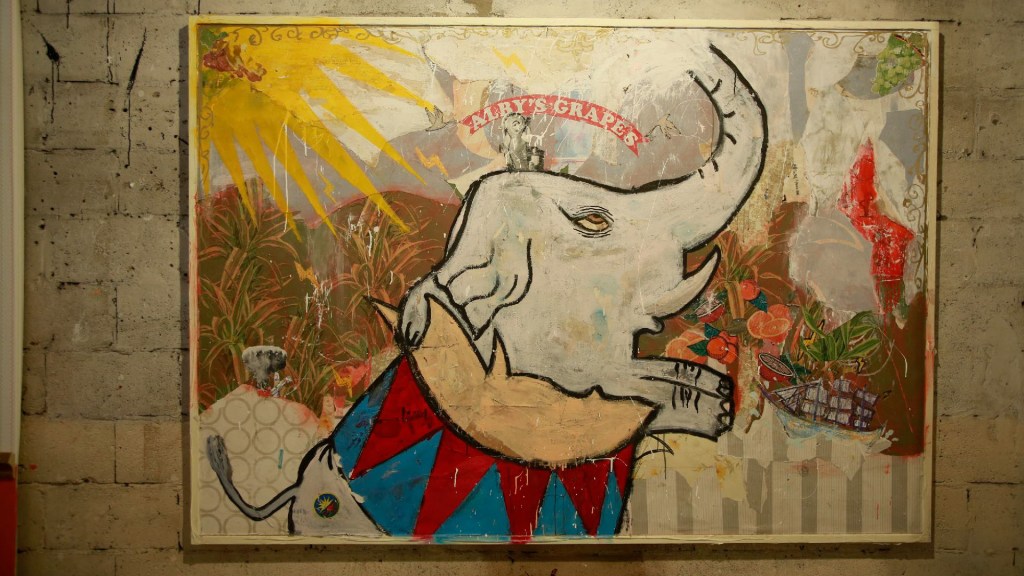
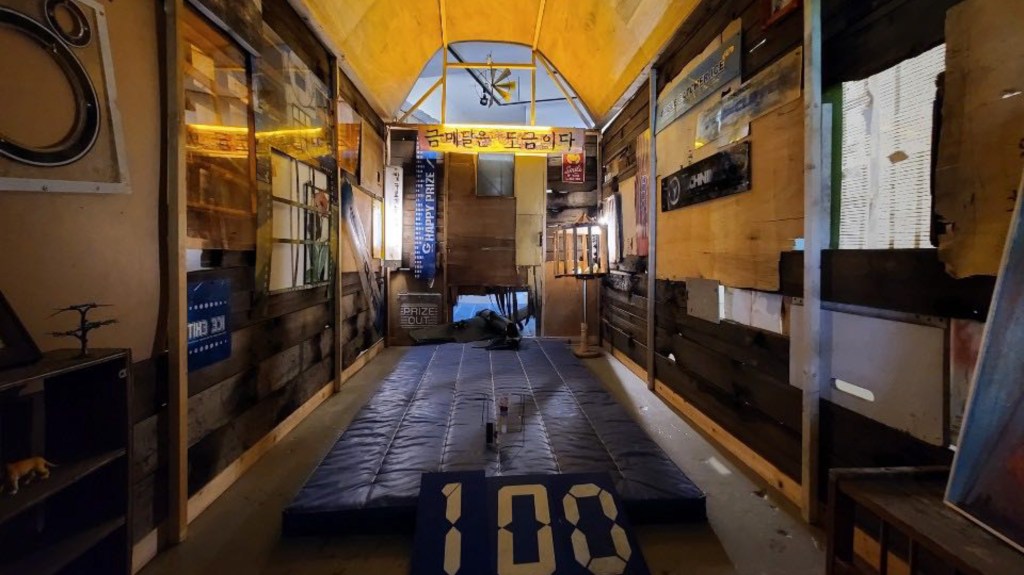
〈당매〉는 박철호가 10년 만에 다시 연 개인전으로 ‘왜 예술을 계속해야 하는지’에 대한 자문 끝에 마침내 꺼낸 응답이었다. 전시는 작가가 어린 시절 맡겨졌던 외갓집, 실제로 존재했던 ‘당매’라는 마을의 기억에서 출발해 현실과 허구, 감정과 상상이 교차하는 하나의 이야기로 구성하였다. 포도농장, 장마와 홍수, 오락실, 동네 아이들과 체조선수 그리고 부리가 빨간 새 ‘쇼카마’까지 전시의 모든 장면은 작가의 기억 속 인물들과 그를 감싸고 있던 감정, 사회에 대한 감각이 복합적으로 얽혀 만들어낸 가상의 내러티브로 구성되었다.
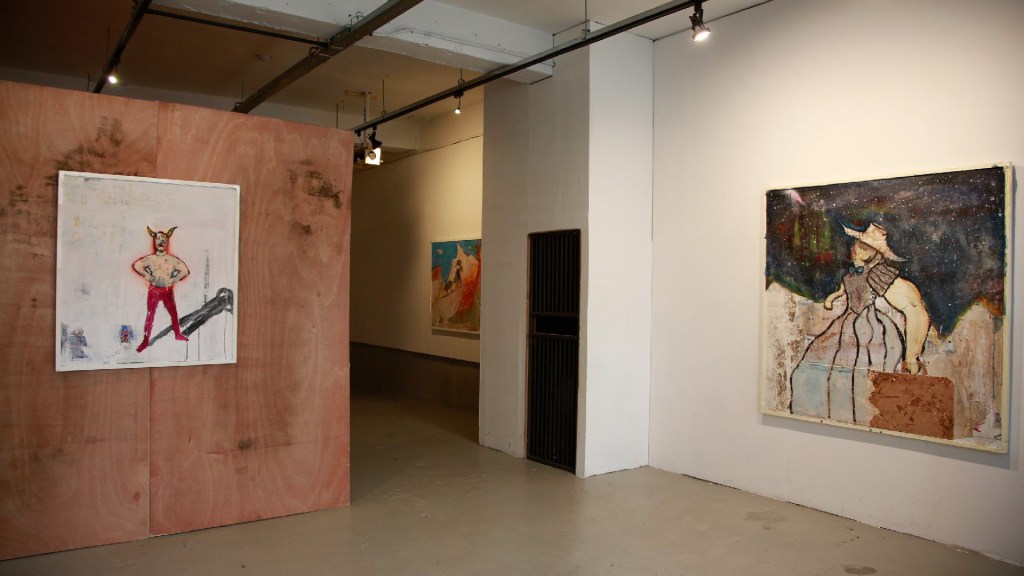
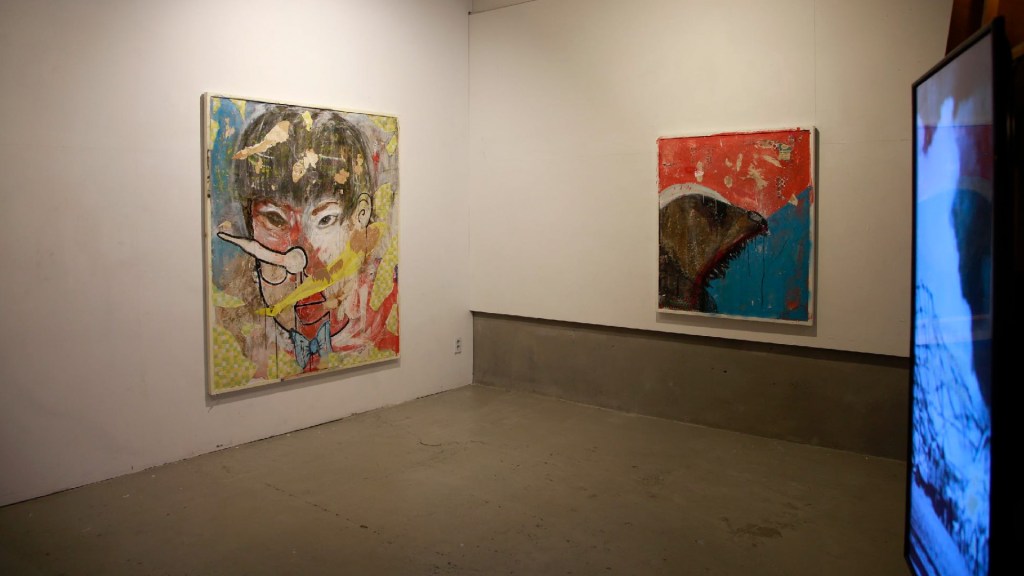
전시장 곳곳에는 작가의 어린 시절 사진과 실제 인물들의 단편적인 흔적이 단서처럼 배치되었고 그 위에 허구적 캐릭터와 사건들이 얹히며 하나의 상상된 마을이 형성되었다. 이야기의 전개는 점점 불편하고 섬뜩한 장면들로 확장되며 감정적 학대와 불완전한 기억, 부조리한 관계들로 얽힌 삶의 잔재들이 다양한 설치, 회화, 영상 작업을 통해 드러난다.
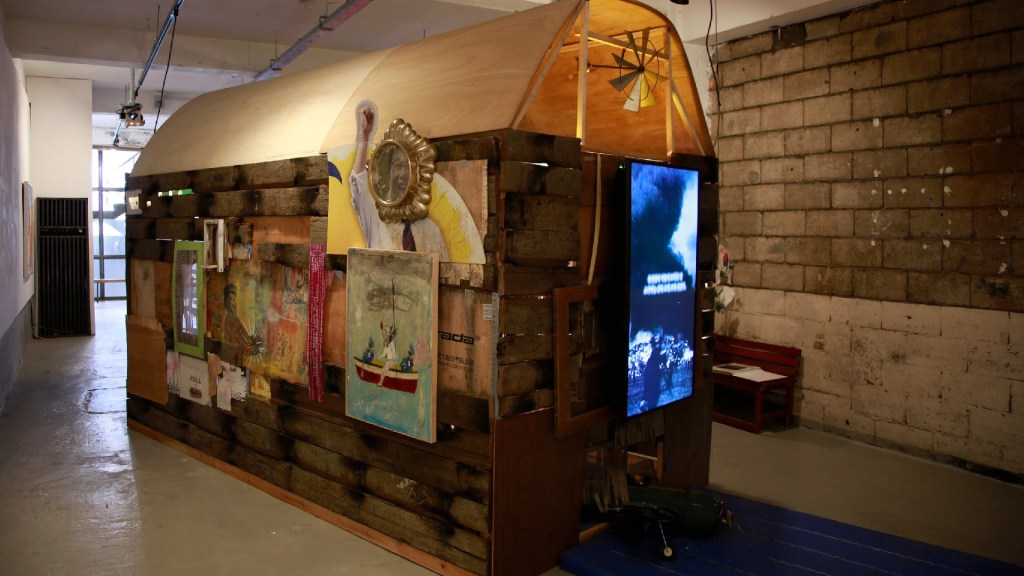
〈당매〉는 관객에게 명확한 해석을 제시하지 않는다. 오히려 진행 중인 연극 무대에 우연히 발을 들인 듯 관객은 배역을 잃은 인물들 사이를 헤매며 단서처럼 흩어진 조각들을 스스로 엮어야 한다. 반복적으로 등장하는 동물과 인물, 기묘한 사건들은 결국 박철호라는 이름으로 수렴되며 작가가 세상을 바라보고 살아온 방식이 은유적으로 드러난다. 군집을 이루는 설치 작품들은 ‘당매’로 향하는 기차길을 경험하게 하거나, 관객이 의자에 앉고 작품 내부로 들어가도록 유도하며 외부 벽면은 또 다른 세계로의 통로처럼 작동한다. 박철호는 이러한 방식으로 자신의 이야기에 관객을 초대하고 작품을 통해 조용하지만 깊은 소통을 시도한다.
marked Park Chulho’s return to solo exhibition after ten years—an answer that emerged from long contemplation on why he should continue making art. The exhibition drew from the artist’s memories of the village “Dangmae,” where he spent his childhood at his grandmother’s house. Blurring fact and fiction, emotion and imagination, the work wove a layered narrative. Grape fields, floods, arcades, neighborhood children, a gymnast named Mary, and a red-beaked bird called Shokama—all appeared as characters rooted in personal memory and extended into fictional scenes shaped by Park’s emotional and social sensibilities.
Scattered throughout the exhibition space were fragments of photographs and traces of real people from his childhood. These were layered with imagined characters and surreal events to construct a fictional village. As the story unfolded, it gradually revealed unsettling scenes—emotional violence, broken memories, and absurd relationships—through installations, paintings, and video works.
Dangmae offers no clear interpretation. Rather, the viewer is placed as if having stepped onto a stage mid-performance—wandering among lost roles, left to assemble meaning from fragments scattered like clues. Repeated appearances of animals, characters, and uncanny events ultimately converge into the name “Park Chulho,” metaphorically revealing the artist’s way of seeing the world and living within it. The clustered installations guide viewers along a railway toward “Dangmae,” inviting them to sit in chairs, enter constructed spaces, and encounter outer walls that function like thresholds to another realm. In doing so, Park Chulho quietly but deliberately invites the audience into his narrative, proposing a deep and reflective form of engagement.




 Park Chulho