4.16-5.7, 2022
PLACEMAK3, Seoul
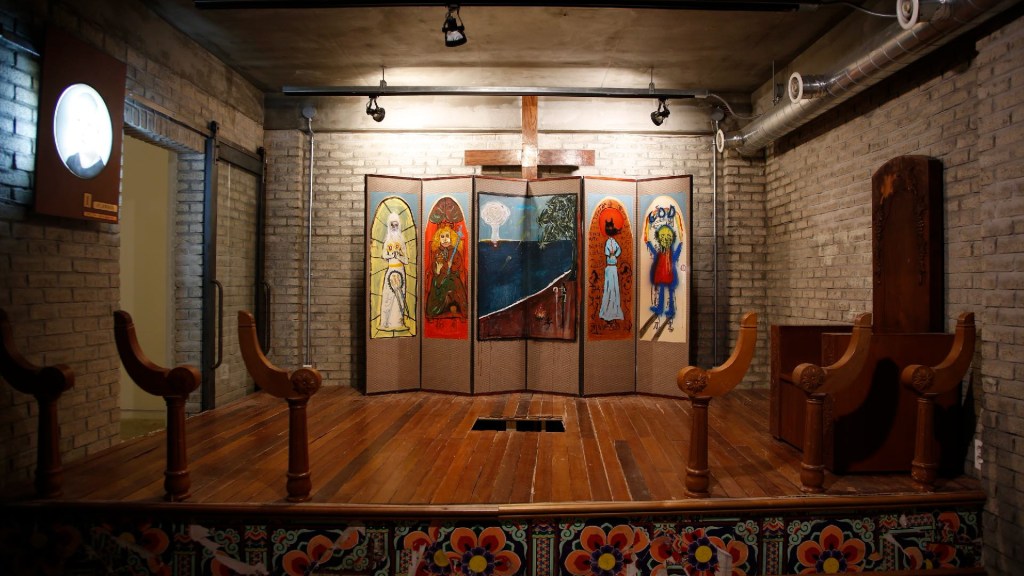
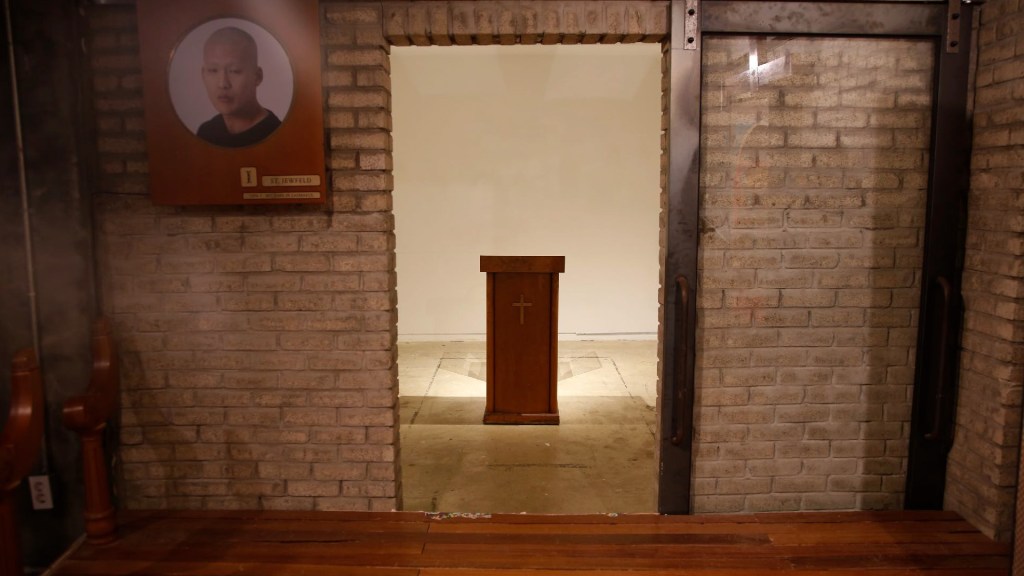
〈교란종〉은 폐기물 처리업에 종사하는 박철호가 삶과 작업의 경계를 허물며 펼친 개인전이다. 플레이스막의 세 공간 전체를 사용하는 대규모 전시로 개인전 〈당매〉(2020), 〈적대자〉(2021)를 이어주는 픽션 서사 「교란종」을 중심에 두고 펼쳐졌다. 철거 현장과 재활용 폐기물 더미에서 수집한 오브제들은 작가의 픽션 안에서 인물과 장면으로 재탄생하며 삶의 잉여와 파편들이 강한 상징성을 띠고 무대로 등장한다. 망한 점집과 불탄 교회의 폐자재, 폐스티로폼, 낡은 고물 등은 단순한 재료가 아닌 이야기의 운명적 재료로 작용한다.
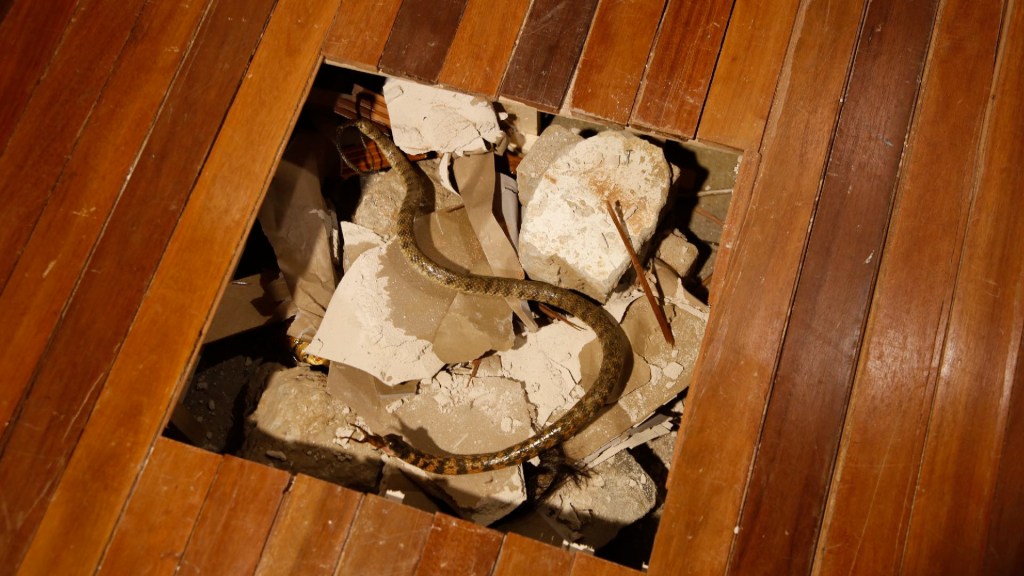
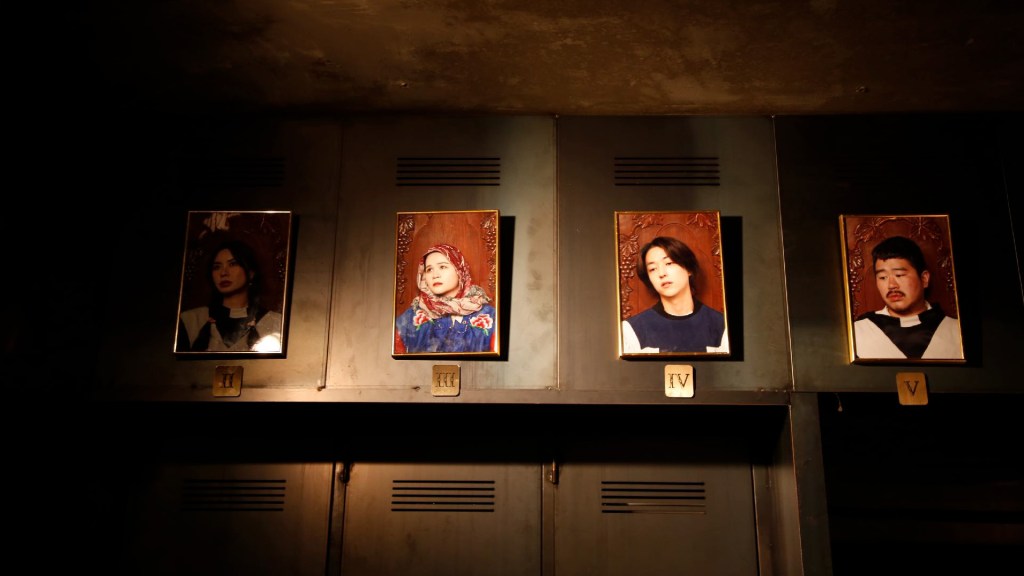
전시는 연극처럼 구성되어 있으며 각 공간은 작가의 페르소나가 등장하는 무대다. 뱀은 전시의 핵심 상징으로 스티로폼 감용 작업으로 압출 형상으로 시각화 했다. 인간의 불완전성과 상징하는 동시에 생존을 위한 유연성과 기괴함을 상기시키는 장치로 기능한다. 영상 속 배우들 조차 박철호의 픽션에 수집된 고물처럼 구성되는데 배우들의 평범한 일상을 관찰하고 서사 속에 자연스럽게 배치한다. 이는 인간과 사물이 작가의 세계 안에서 동일한 방식으로 취해지는 존재론적 동등성을 보여준다.
〈교란종〉은 비선형적 서사와 이미지들이 얽히고설킨 장광설의 형태로 구성되며 특정 의미보다 감각을 기반으로 한 해석을 유도한다. 종교적 상징과 샤머니즘적 오브제들이 전면에 등장하지만 이는 신성모독이나 주술이 아닌 인간 실존의 무력함과 윤리적 해학을 풀어내는 장치다. 정신적 세계와의 교신은 때로 현실의 부조리와 충돌하고, 그 모순은 박철호가 구성한 세 개의 전시장을 관통하며 하나의 서사로 번져간다. 이로써 전시는 믿음과 의식, 상징과 권위가 만들어내는 작동 원리를 날것 그대로 드러낸다.
Disruption is a solo exhibition by Park Chulho, who works in industrial waste processing, and here dissolves the boundary between life and artistic practice. Spanning all three gallery spaces at PLACEMAK, the large-scale exhibition centers on the fictional narrative Disruption, which continues the threads developed in his previous solo shows Dangmae (2020) and Antagonist (2021). Objects collected from demolition sites and piles of discarded materials are reborn as characters and scenes within the artist’s fiction. Fragments of life and residues take on potent symbolic value as they are staged—not as raw materials, but as predestined narrative agents. Scraps from a defunct fortune-teller’s parlor, charred church beams, used polystyrene, and worn-out junk act as essential narrative components, rather than mere sculptural matter.
The exhibition is structured theatrically, with each room functioning as a stage for one of Park’s fictional personas. The snake becomes the central symbol, visually articulated through extruded forms encountered during his polystyrene compression work. It serves simultaneously as a metaphor for human incompleteness and a reminder of the grotesque adaptability required for survival. Even the actors appearing in the video works are arranged like collected debris—fragments observed from everyday life, carefully embedded into the narrative. Park’s treatment of both people and objects demonstrates an ontological equality: within his world, both are sourced, positioned, and recontextualized through the same logic.
Disruption unfolds as a tangled litany of nonlinear narratives and fragmented images, guiding interpretation through sensation rather than fixed meaning. Religious symbols and shamanistic objects fill the space—not to mock or invoke the sacred, but as tools to reveal the futility of human existence and a form of ethical irony. Spiritual communication is shown to clash with worldly absurdity, and this contradiction is played out across all three exhibition spaces as a continuous narrative. In doing so, Park Chulho lays bare the raw mechanics of belief, ritual, symbolism, and authority.










 Park Chulho