5.12-5.28, 2022
Gosaek Newseum, Suwon
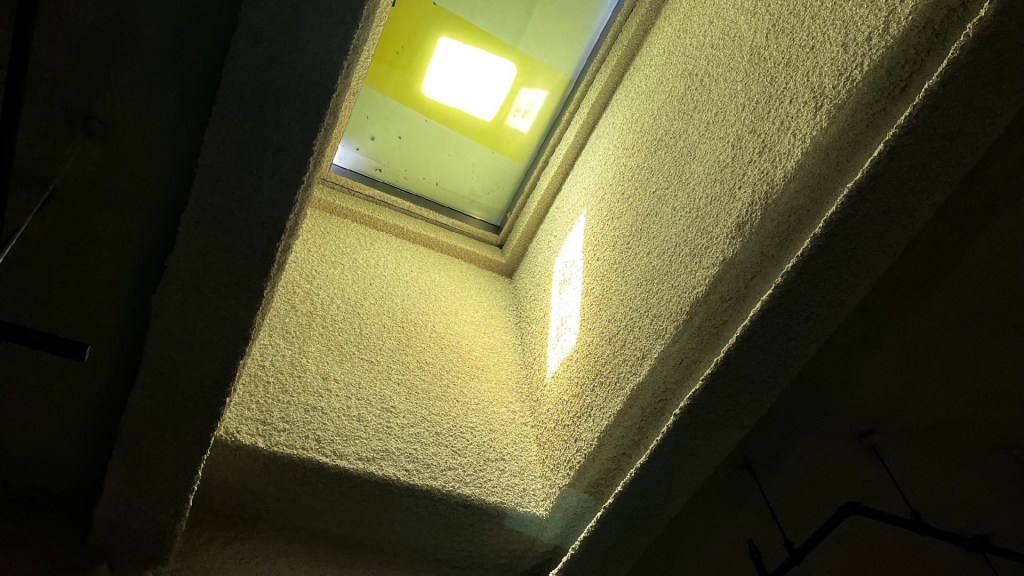
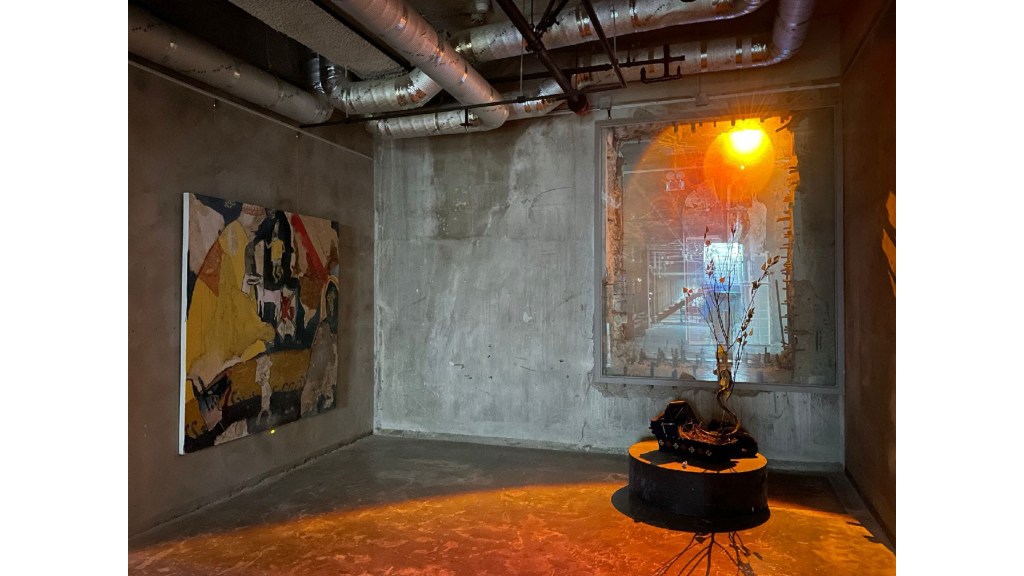
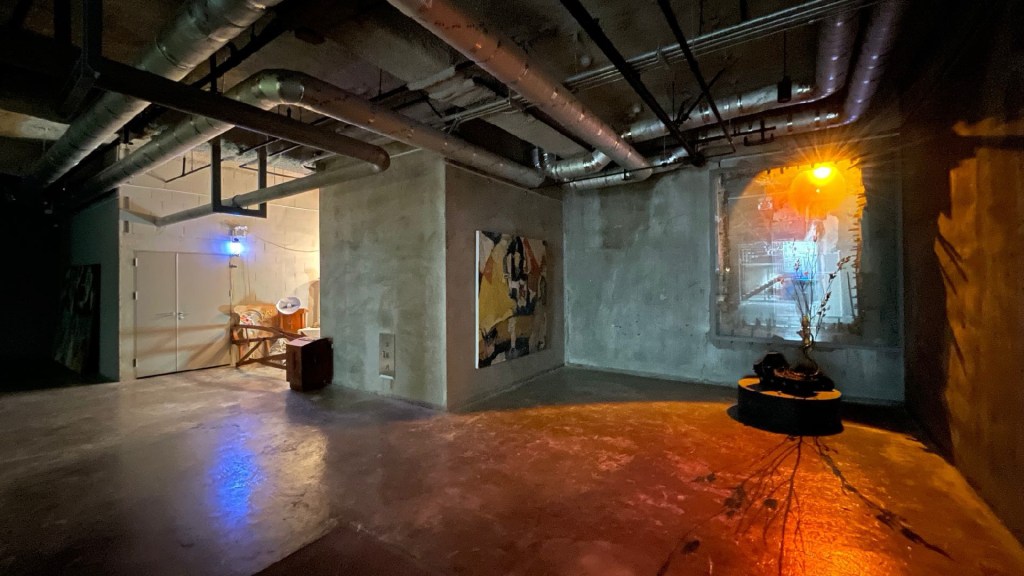
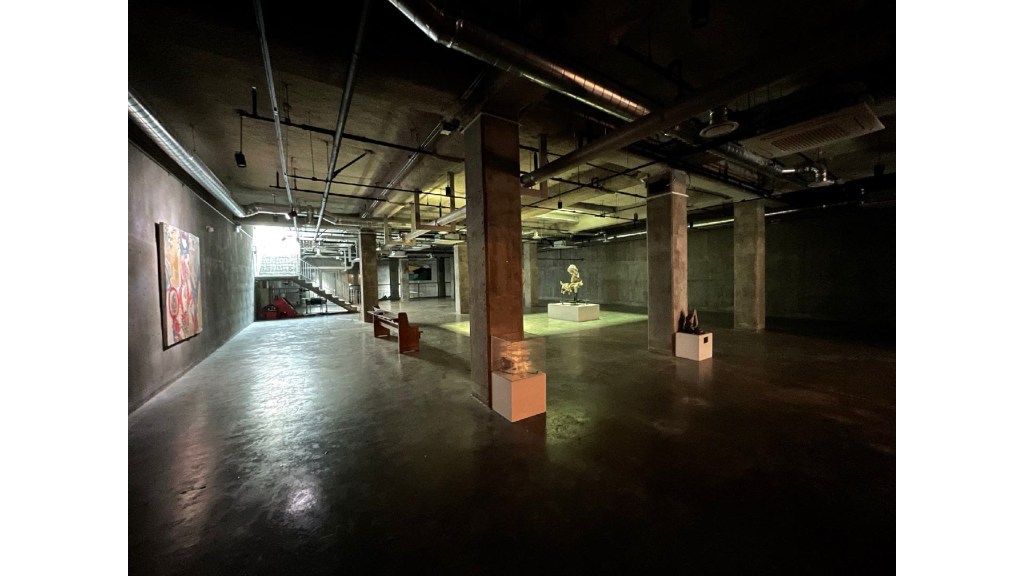
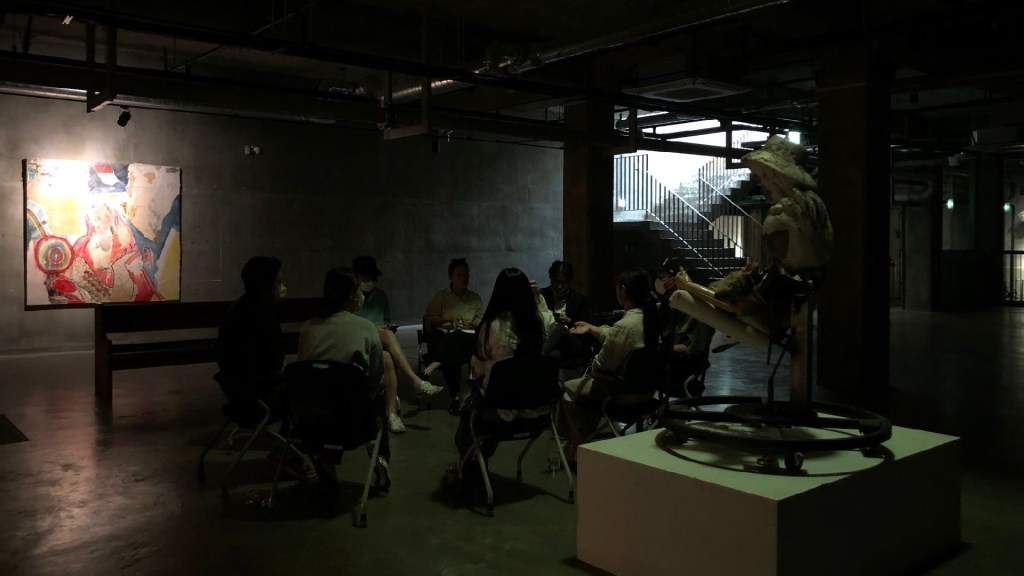
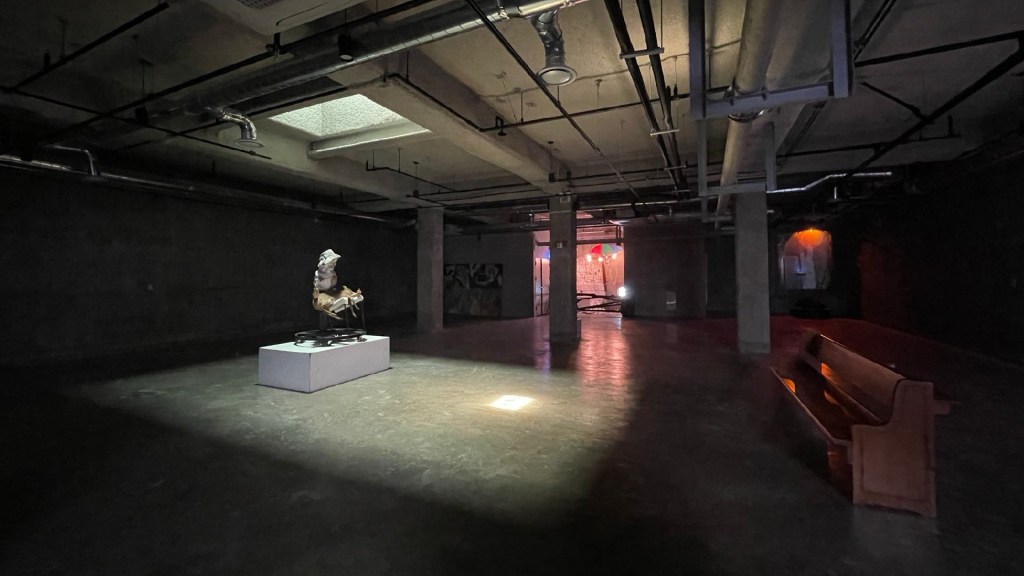
〈유사 종교적 체험을 위한 폐기물들〉은 수원 고색뉴지엄에서 열렸다. 공간은 지역의 산업 폐수처리시설이었으나 현재는 전시공간으로 재활용되고 있는 장소로 물리적 구조와 과거의 기능이 박철호의 작업과 맞물려 강한 상징성을 지닌다. 작가는 이 산업 유산의 특성을 적극적으로 활용하여 전시장 내부의 메인 조명을 모두 제거하고 천장의 작은 창에서 들어오는 자연광만으로 전시를 구성했다. 폐기물이라는 물질성과 지하 공간의 폐쇄성, 제한된 빛이 결합하여 전시는 일종의 유사 종교적 체험의 장으로 전환된다.
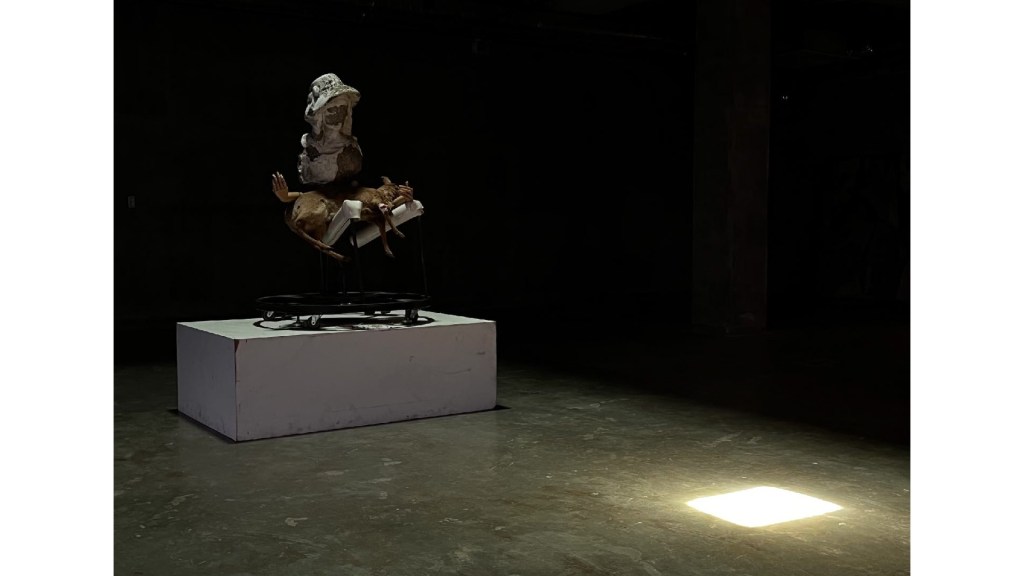
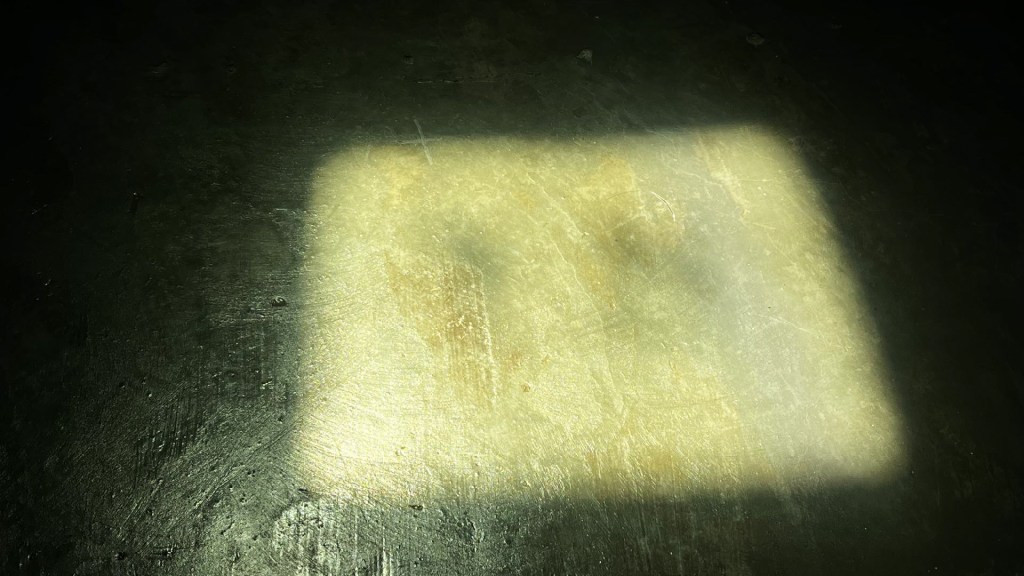
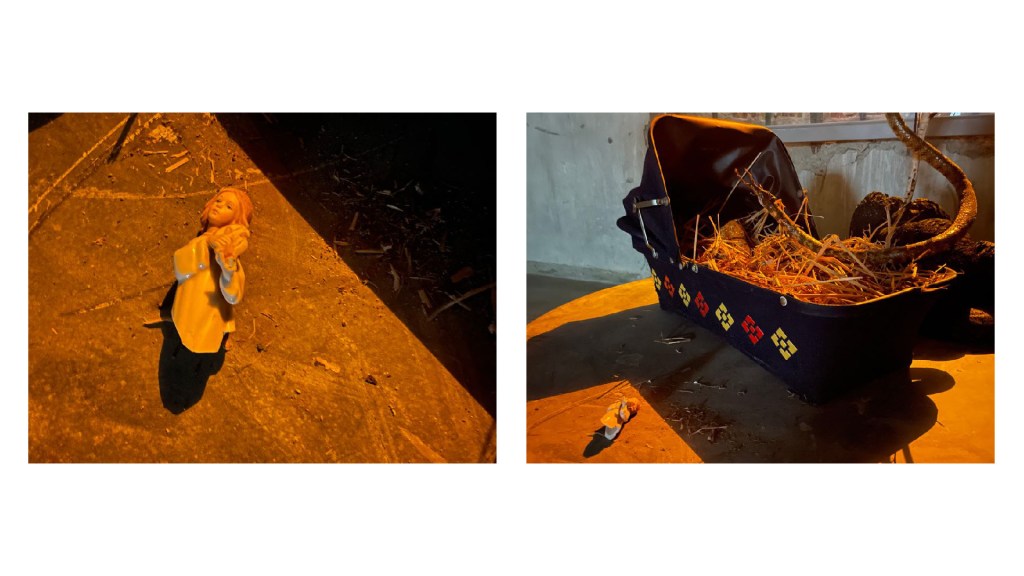
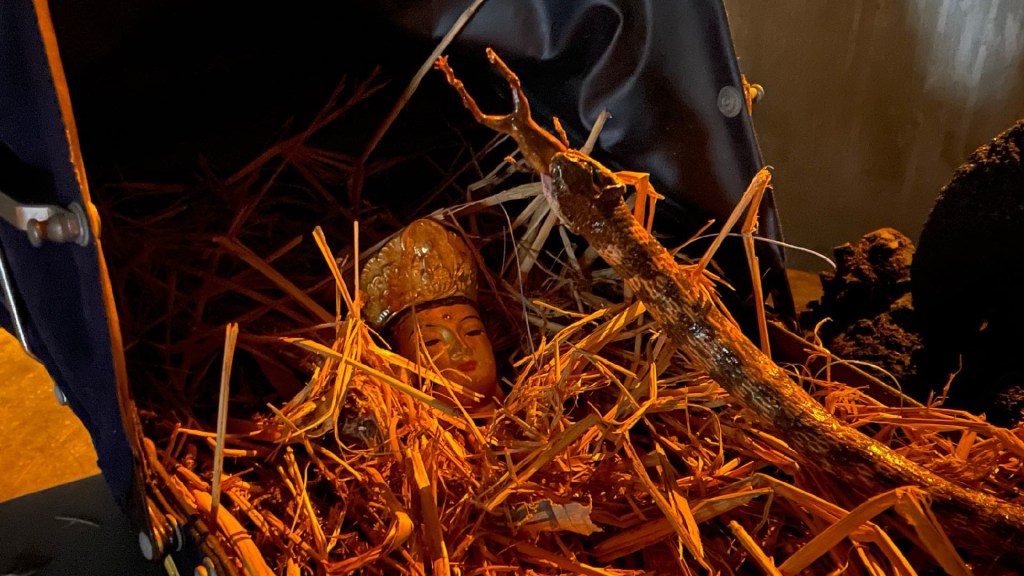
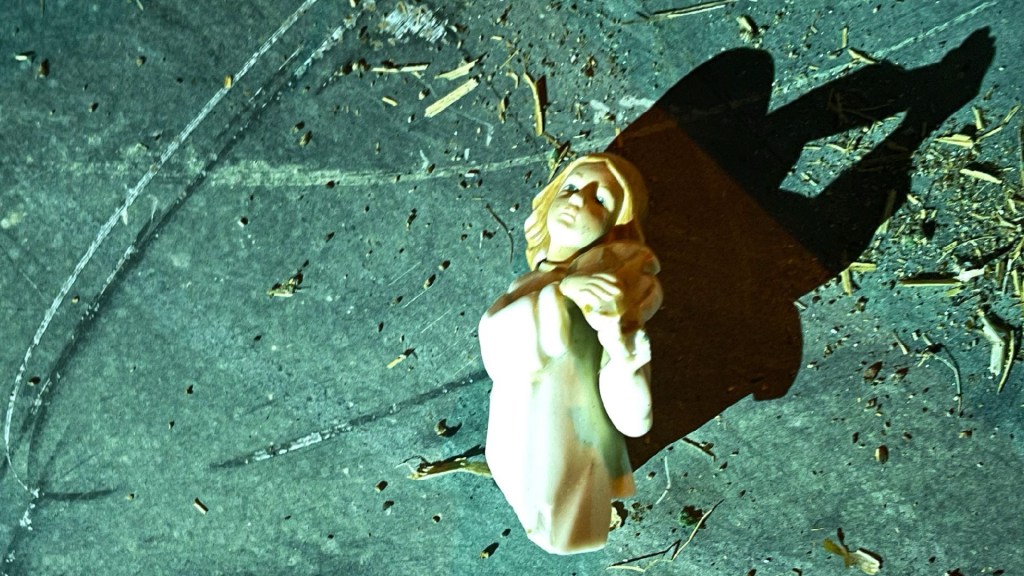
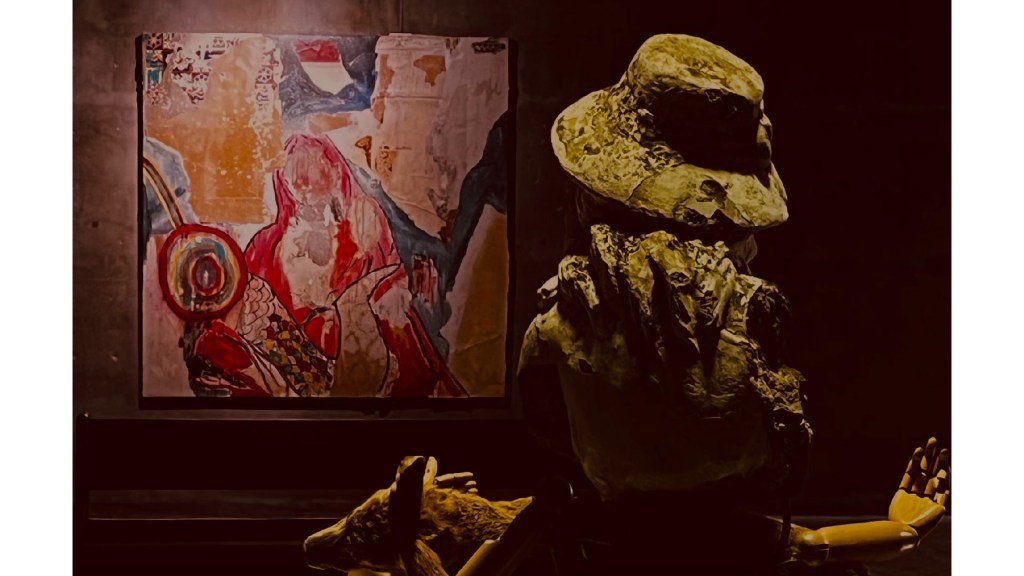
대표작 〈다친 고라니를 안은 여자〉는 천장에서 들어오는 자연광 아래에 설치되었다. 작품 상단의 창은 작게 축소되어 있었고, 그 위에는 작가가 산업용 테이프를 찢어 만든 ‘구원’이라는 단어가 희미하게 새겨져 있었다. 해가 뜨고 지며 생기는 빛의 움직임에 따라 ‘구원’의 그림자는 바닥에 원형의 궤적을 그리며 점차 이동했고, 이 장면은 마치 조용한 기도처럼 극적인 감응을 불러일으켰다. 그러나 실눈을 뜨고 그 그림자의 실체를 바라보는 순간, 믿음이라는 감각은 의심과 함께 되돌아오고, 작가는 명시적으로 설명하기보다 이러한 시각적 체험과 시간성을 통해 전시장 안에서 스스로 발생하는 언어처럼 그것이 작동하도록 했다.
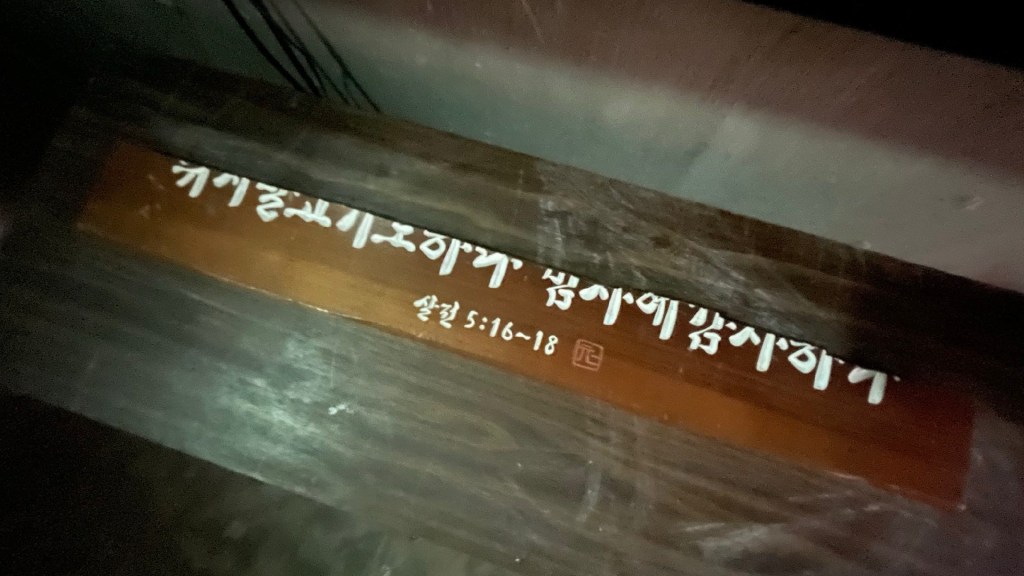
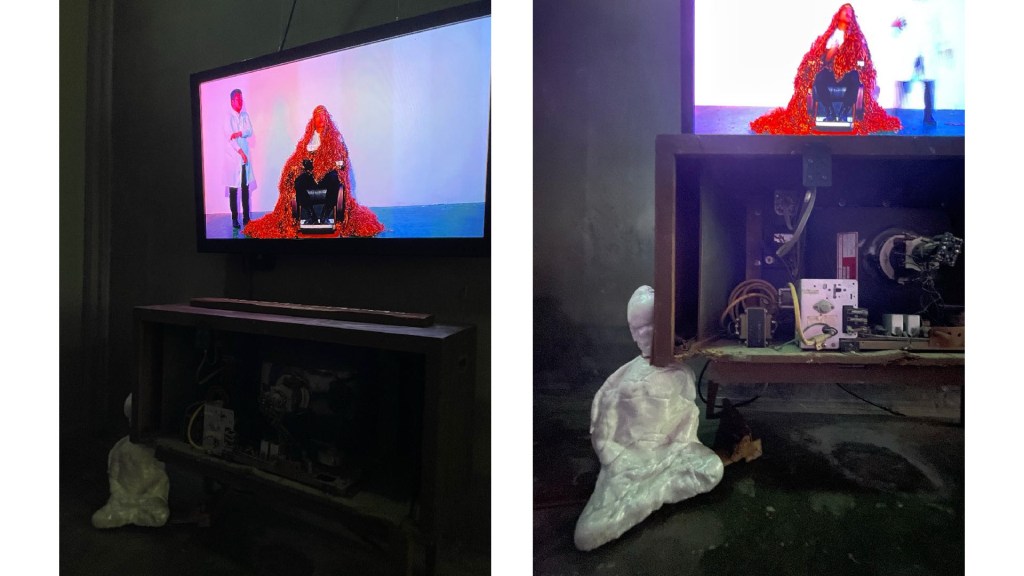
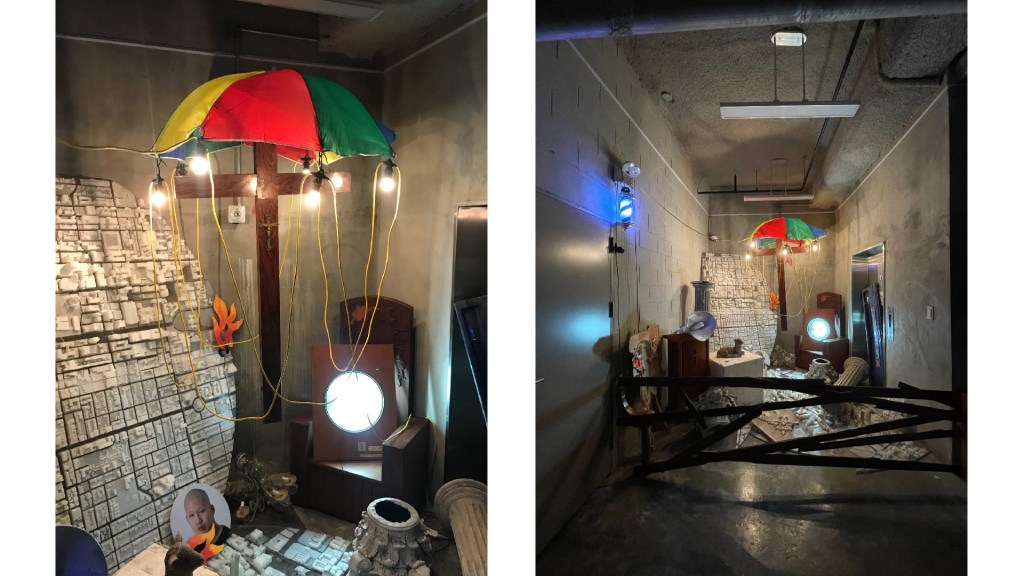
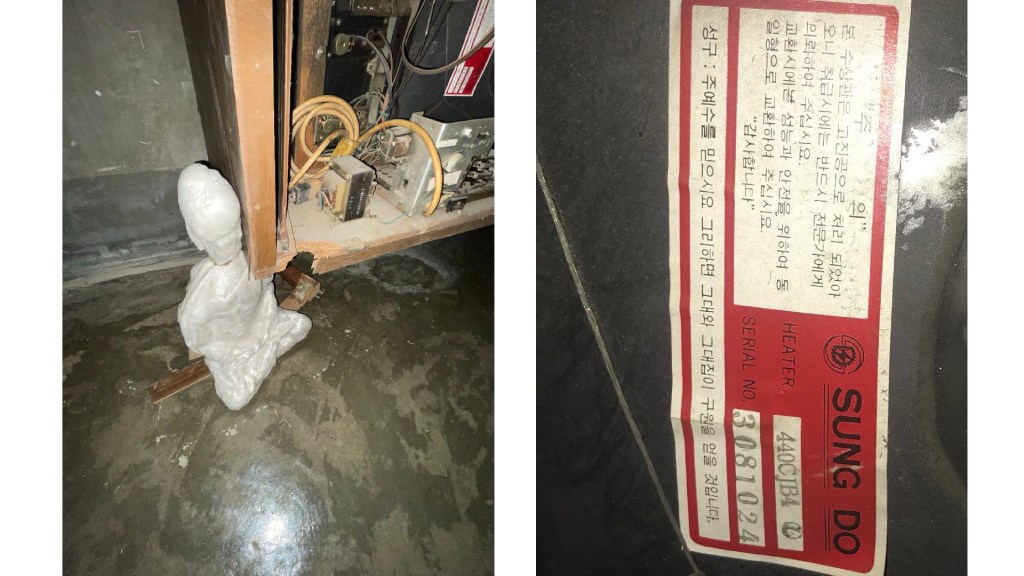
전시 전반에는 모차르트가 규율을 어기고 귀로만 듣고 기보했다는 그레고리오 성가가 울려 퍼졌고 박철호는 고색뉴지엄의 긴 복도와 벽면, 구조물을 따라 기존 〈교란종〉의 설치 작업들을 새롭게 재배치했다. 복도 끝에 놓인 폐오브제들, 천장 틈새를 통해 유입되는 빛, 그리고 곳곳에 배치된 기호들은 신성성과 폐기성, 믿음과 부조리 사이의 교차를 암시한다. 박철호는 이 전시를 통해 ‘유사 종교적 폐기물들’을 소재로, 버려진 것들이 되살아나는 연극적 무대를 구성한다. 그것은 제의처럼 느껴지면서도 환상과 현실, 감각과 상징이 교란되는 장소였다.
Wastes for Quasi-Religious Experience was held at Gosaek Newseum in Suwon. The venue, once an industrial wastewater treatment facility, has been repurposed as an exhibition space, and its physical structure and former function resonate with the symbolic language of Park Chulho’s work. Actively engaging with the site’s industrial legacy, the artist removed all artificial lighting and used only the natural light filtering in through small windows in the ceiling to illuminate the exhibition. The combination of waste materials, the enclosed underground space, and the restrained light transformed the exhibition into a quasi-religious experience.
The centerpiece work, A Woman Holding an Injured Vampire Deer, was installed directly under the natural light shaft. The window above had been deliberately minimized, and over it the artist had affixed torn industrial tape forming the faint word “salvation.” As the sun rose and set, the shadow of this word slowly traced a circular path across the floor, evoking a quiet sense of ritual and reverence. Yet the moment one squinted to discern the source of that light, the sensation of belief was overtaken by reflective doubt. Rather than offering explicit explanations, the artist let the visual experience and passage of time speak for themselves, allowing meaning to emerge organically within the space.
Throughout the exhibition, the Gregorian chants that Mozart famously transcribed by ear resounded in the background, weaving a sonic atmosphere of discipline and transgression. Park reassembled earlier installation works from Disruption along the museum’s long corridors, walls, and structures. Abandoned objects at the hallway’s end, light streaming in from ceiling gaps, and scattered symbolic elements throughout hinted at the intersection of sanctity and discard, faith and absurdity. Through this exhibition, Park constructed a theatrical stage from ‘wastes arranged for ritual,’ where discarded materials found new vitality. The result was a space that felt like a ceremony—where illusion and reality, sensation and symbol were in constant, disorienting play.


 Park Chulho