7.29-8.27, 2023
Art Space Bae, Busan
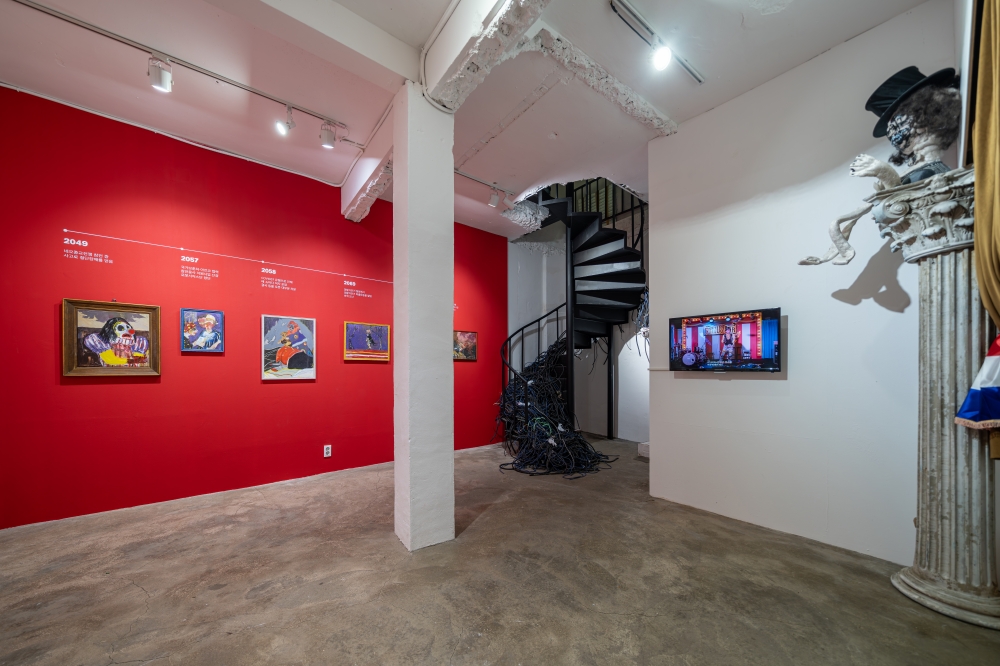
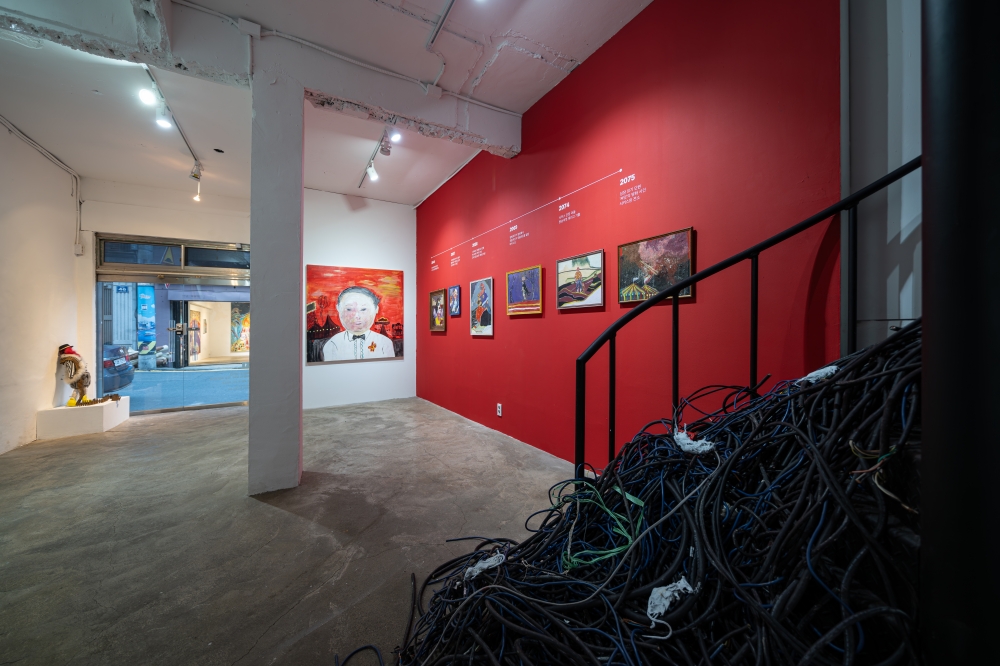
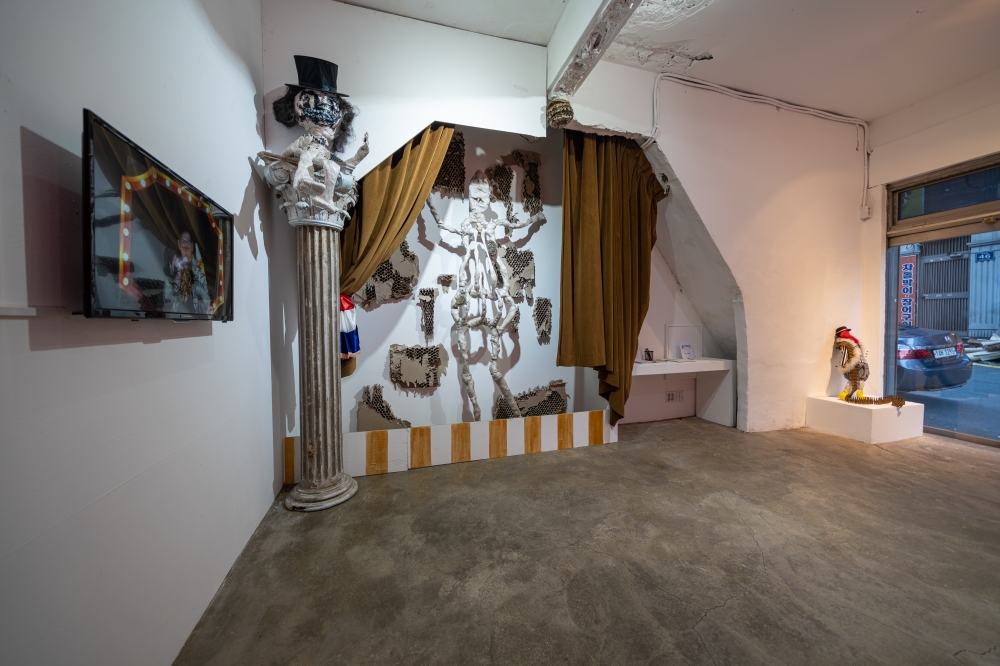
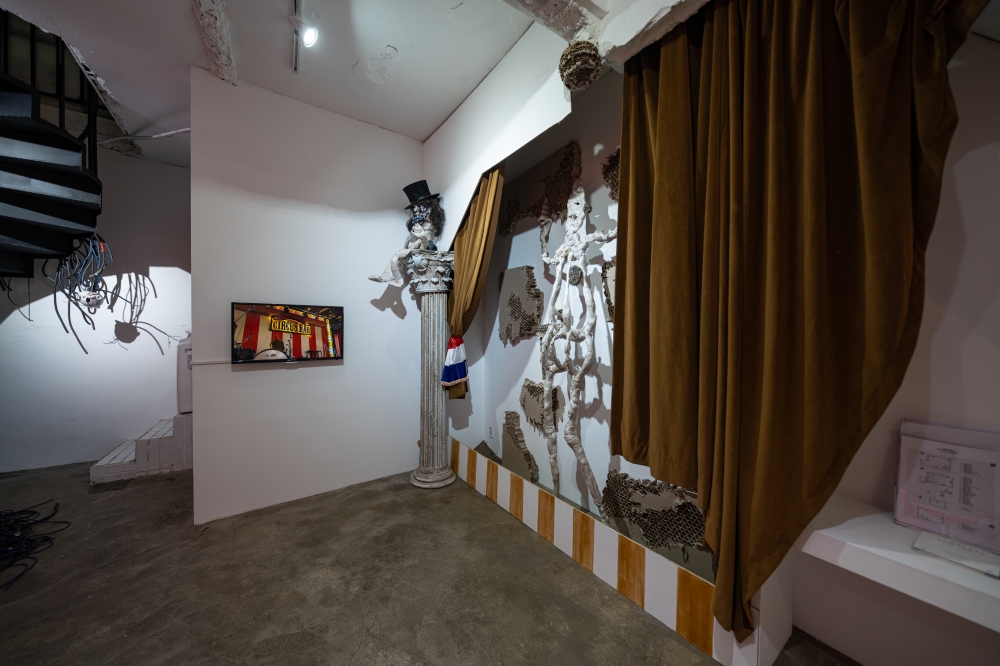
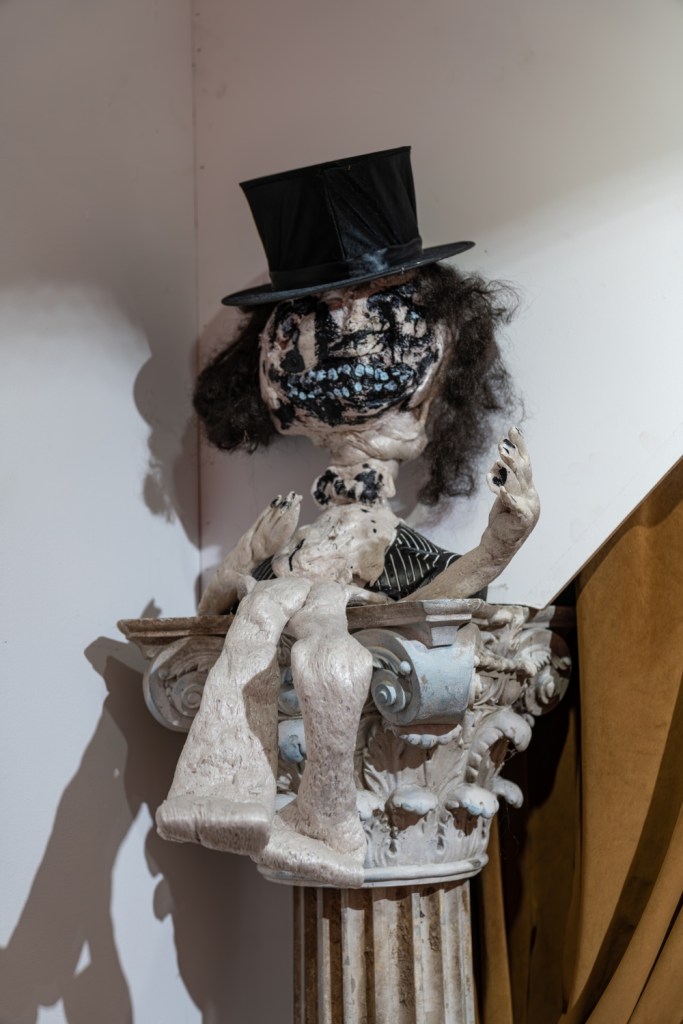
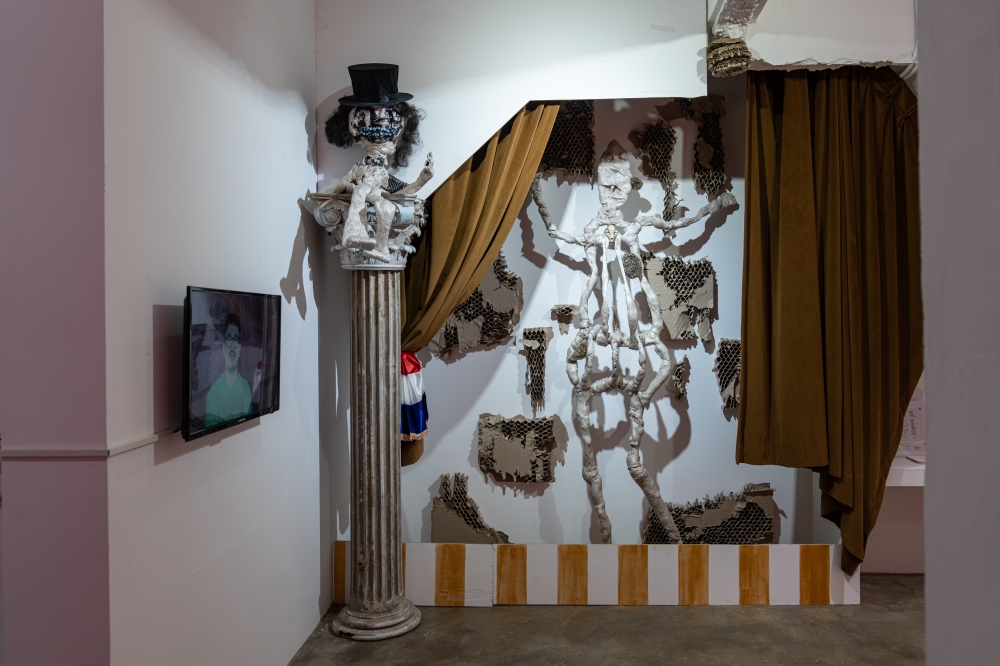
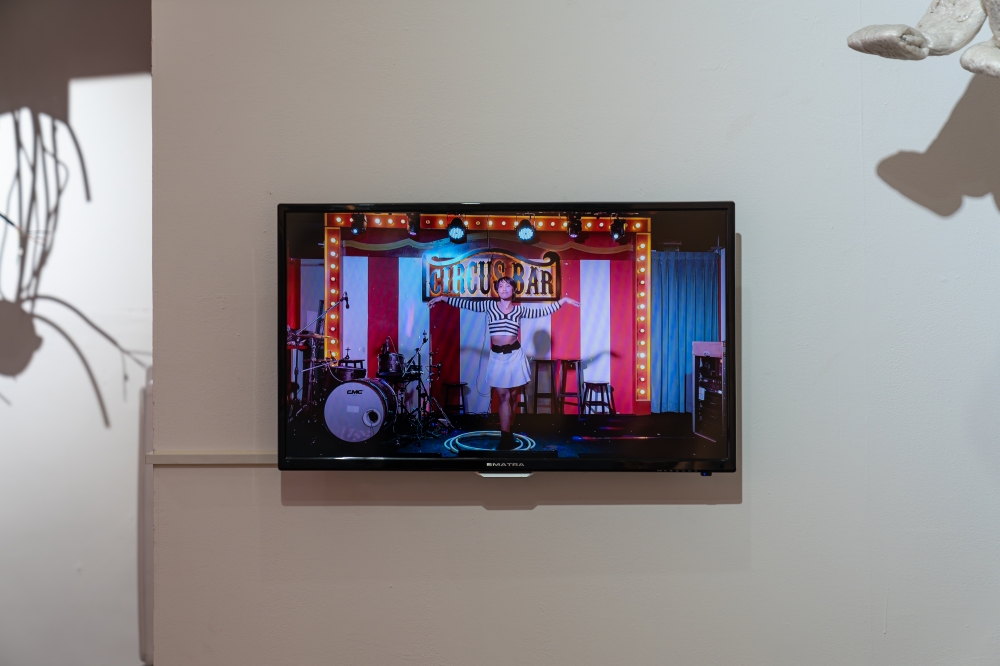
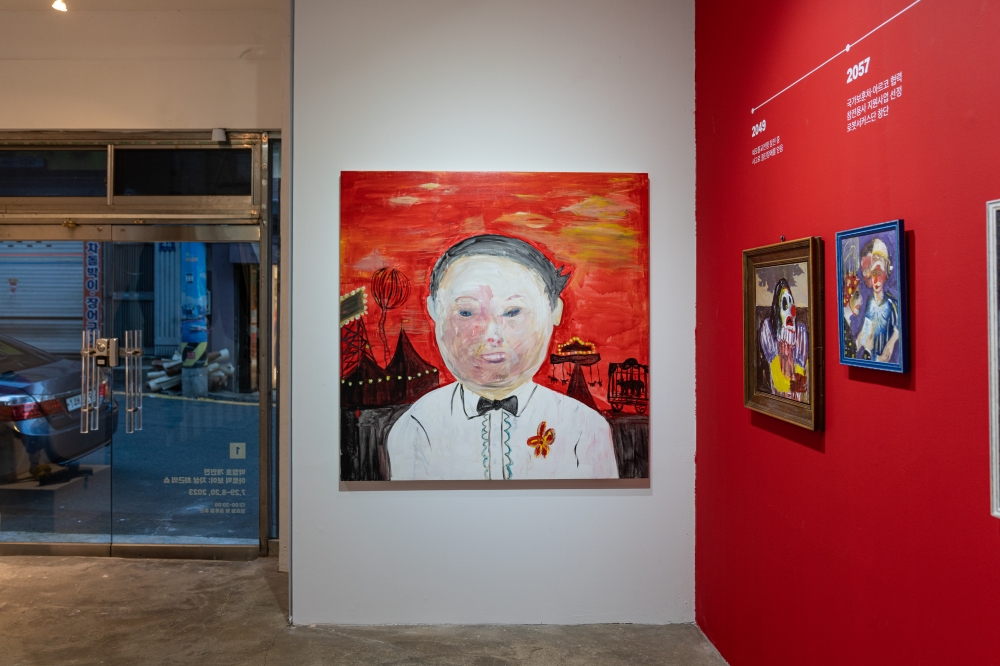
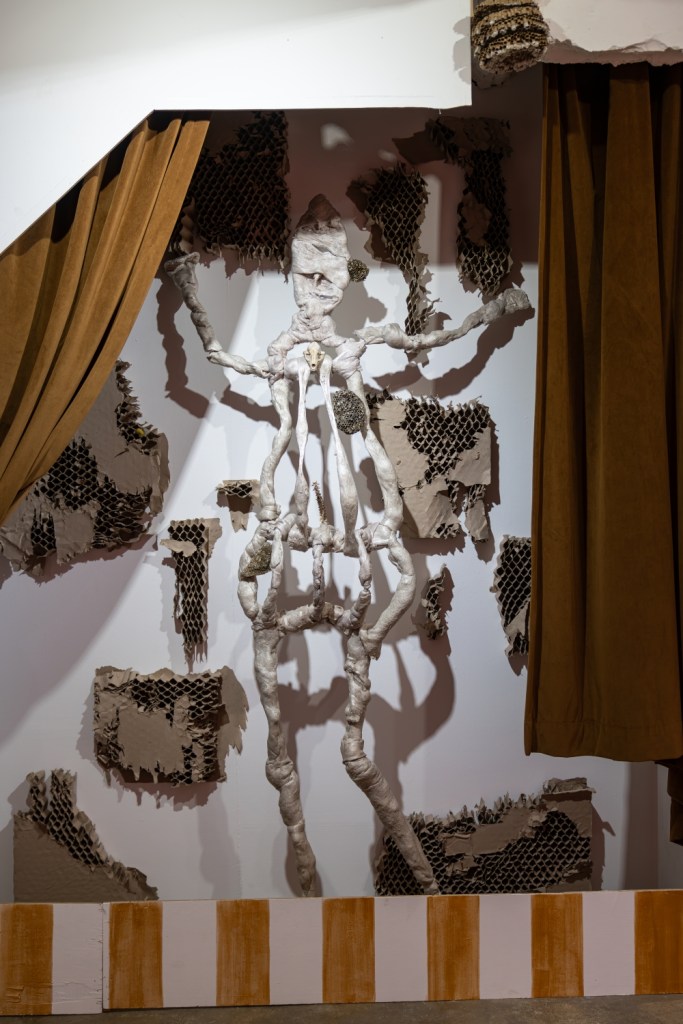
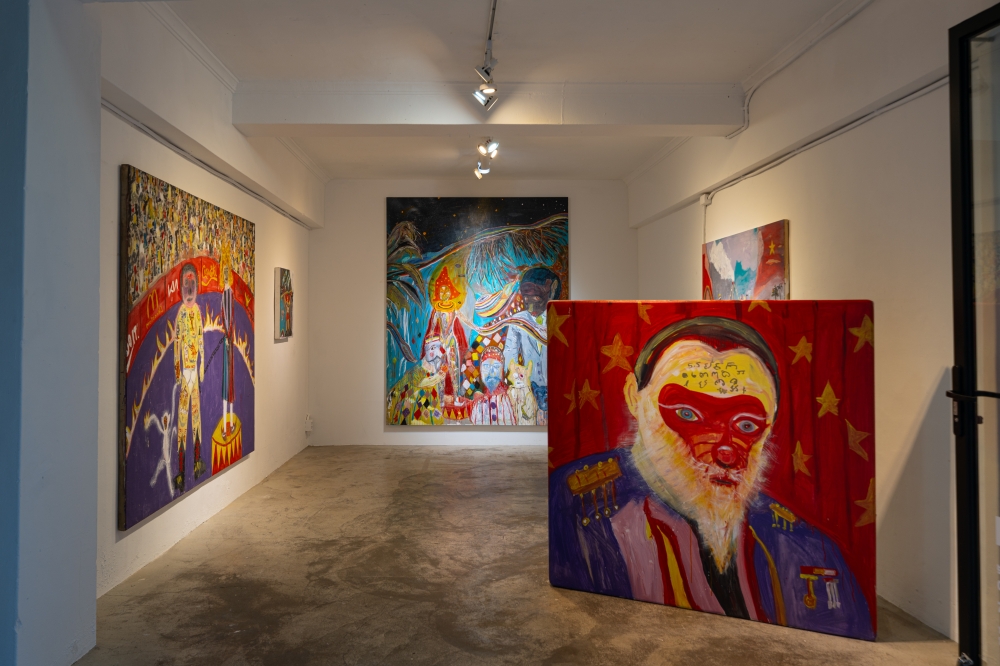
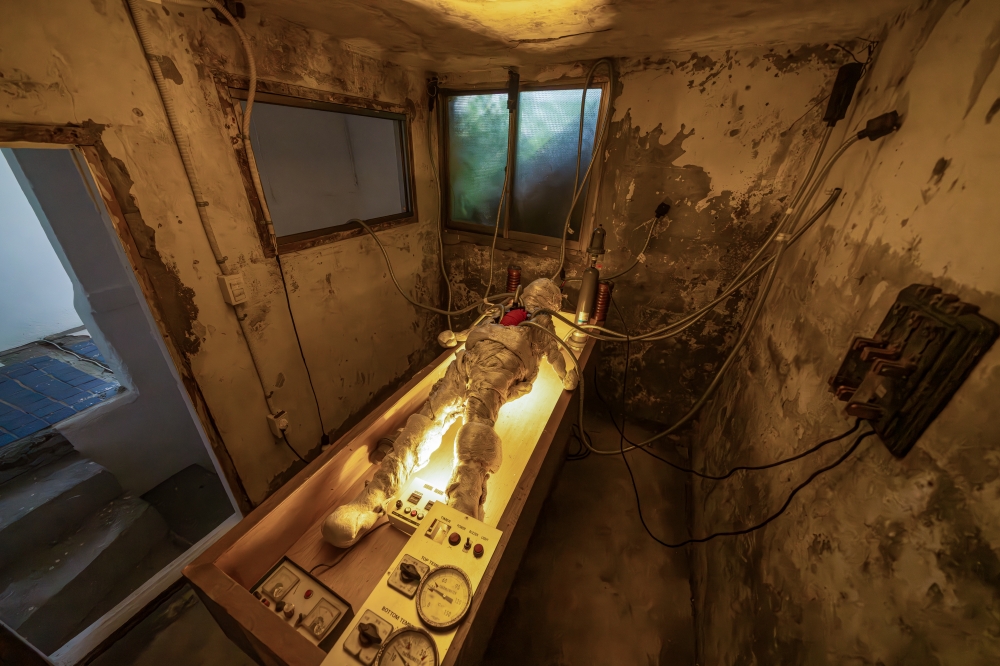
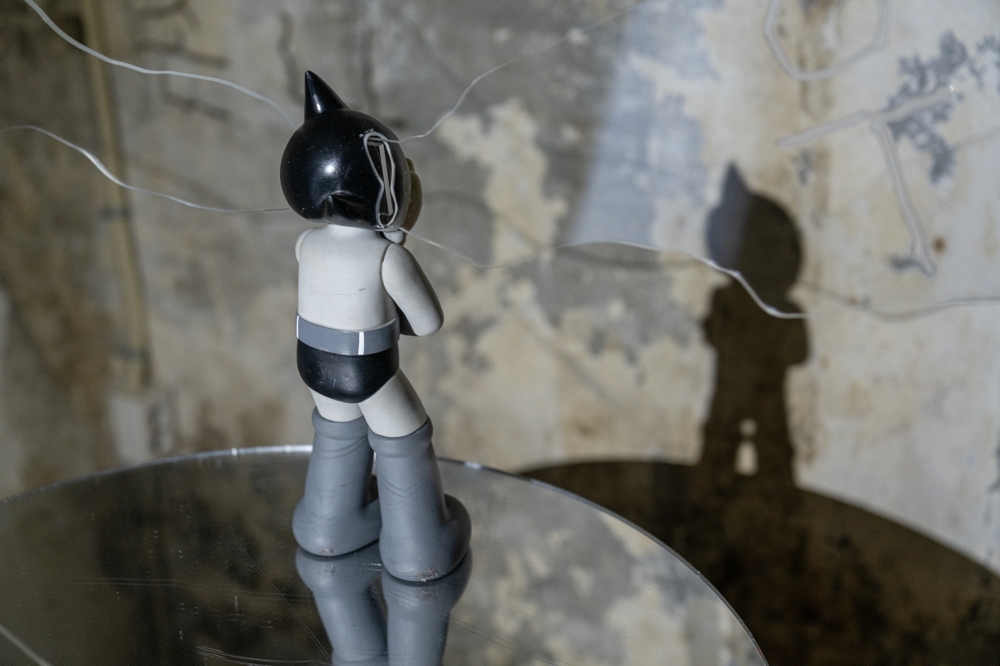
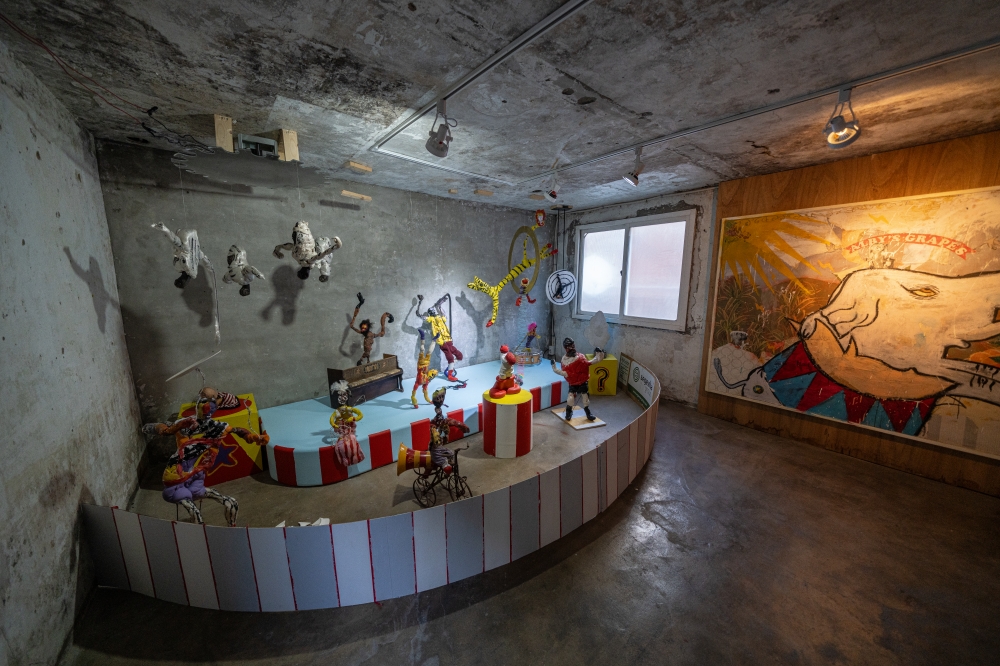
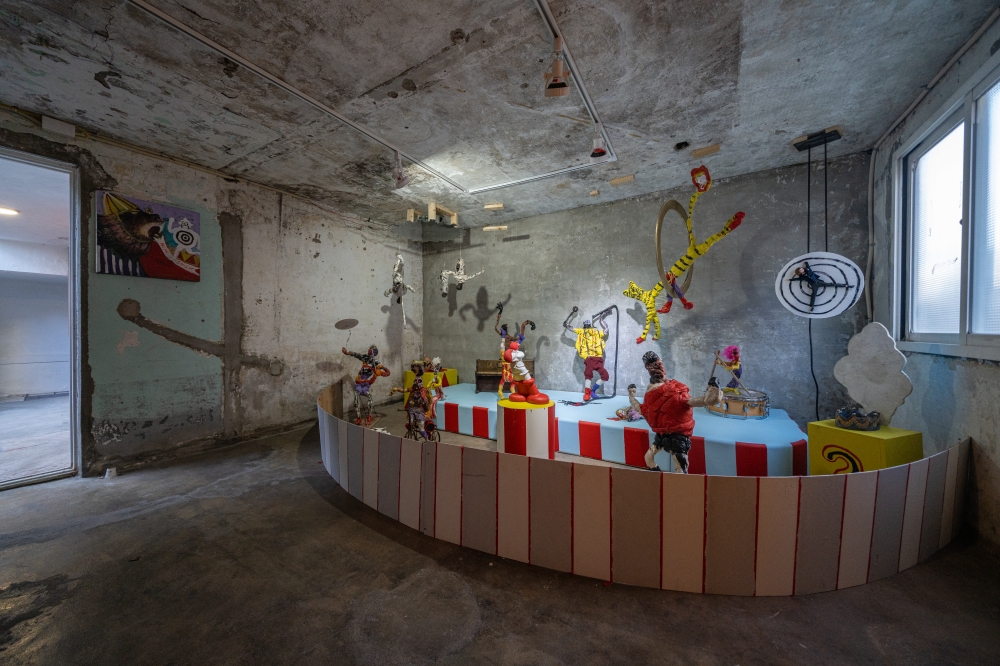
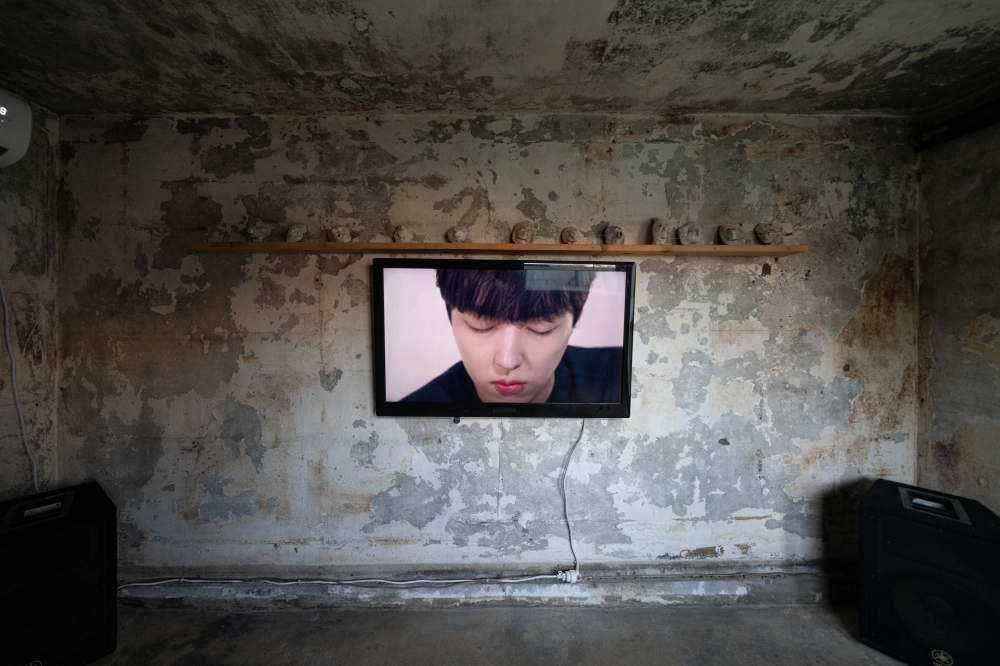
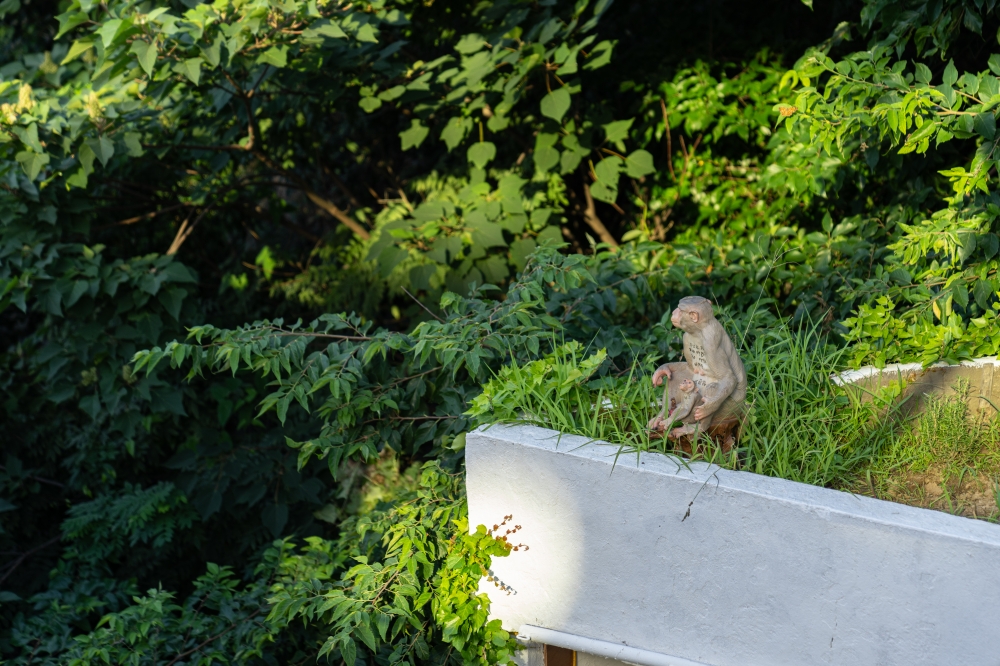
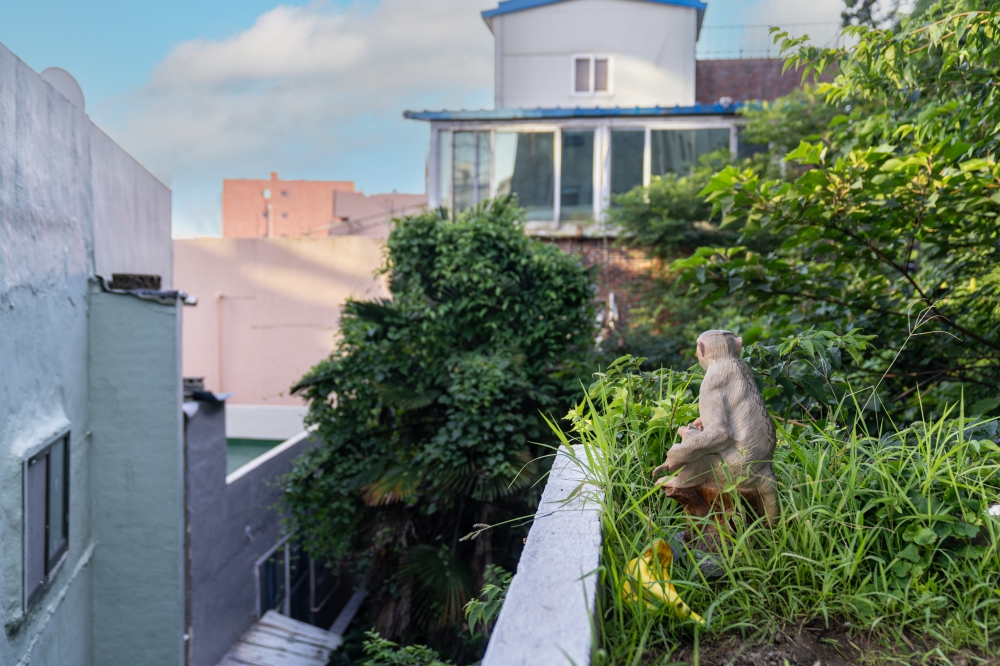
《아토믹 보이: 지상 최근의 쇼》는 ‘더 인간다워지는 것’을 기술의 과제로 삼는 시대에, “그렇다면 인간다운 것이란 무엇인가?”라는 질문을 반문 형식으로 던진다. 전시는 완벽한 존재가 ‘실수’를 연기하는 아이러니한 장면을 통해, 인간성이라는 개념의 허구성과 폭력성을 드러낸다.
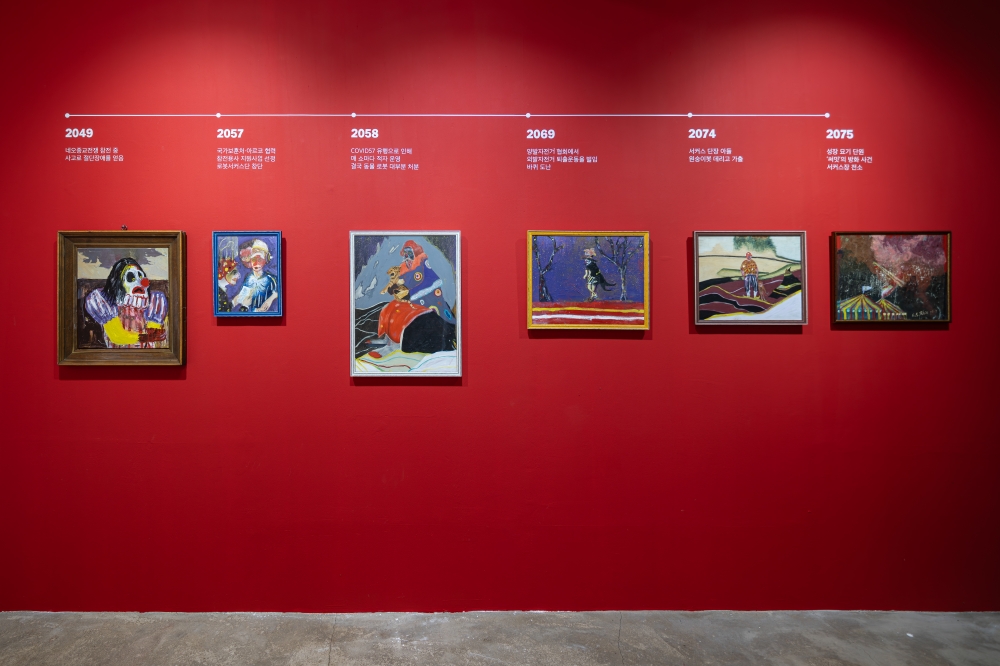
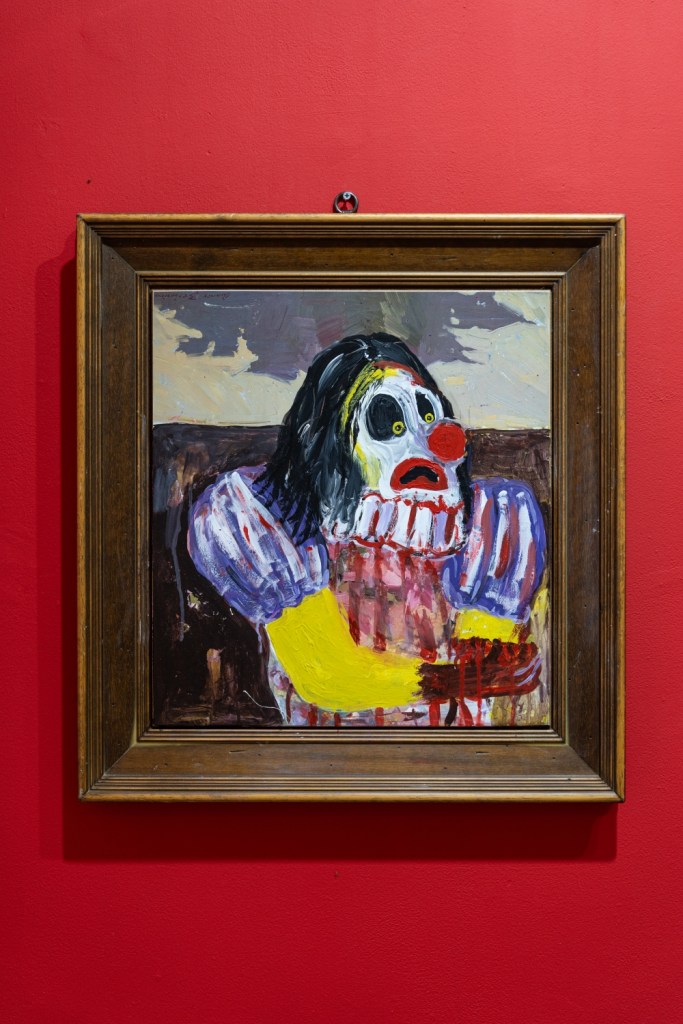
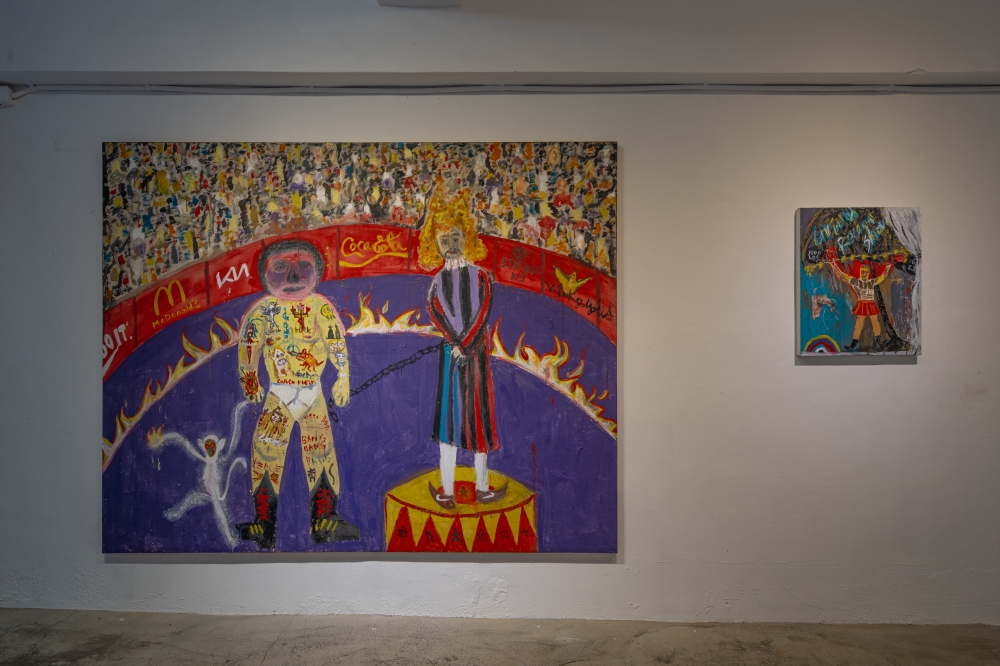
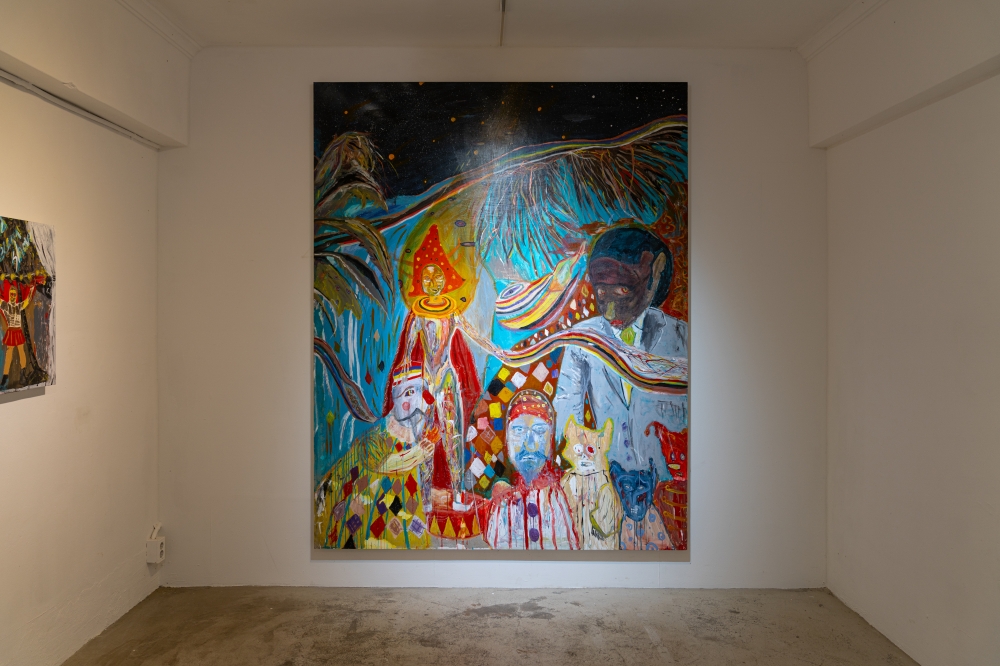
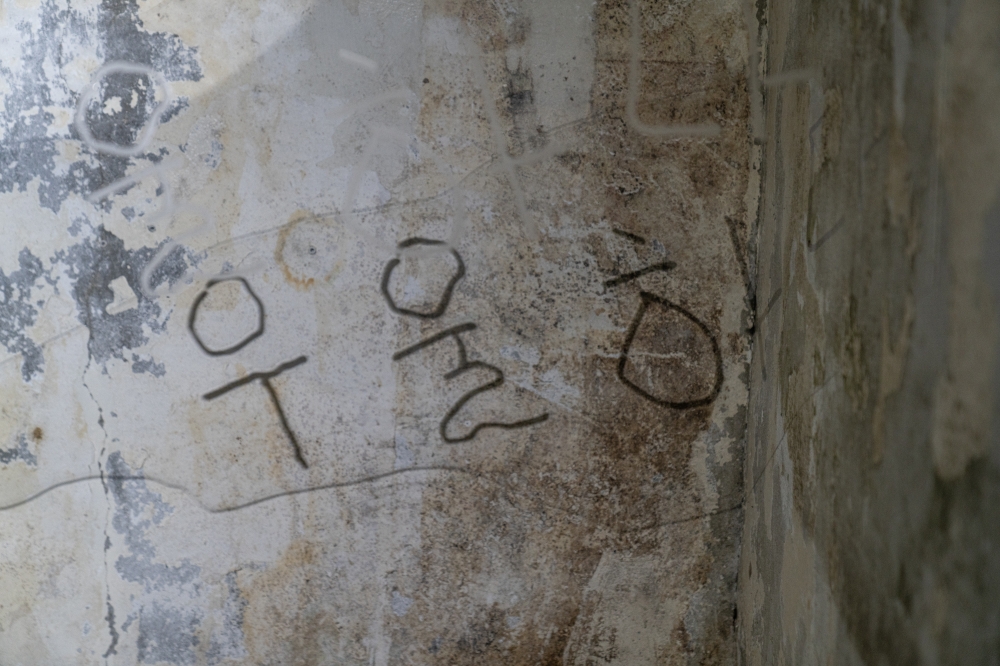
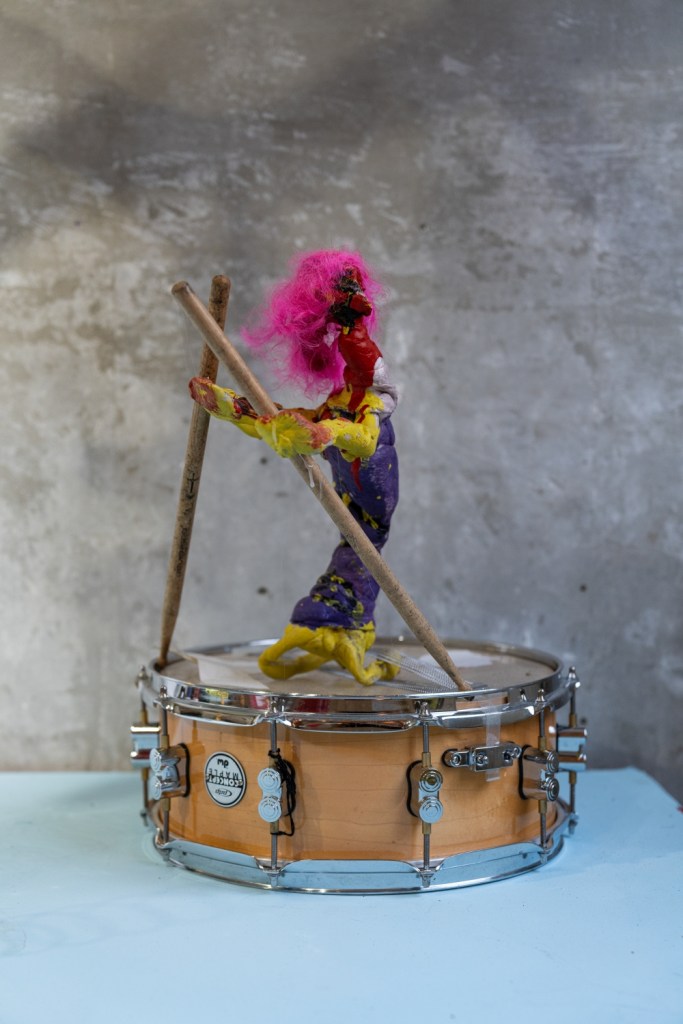
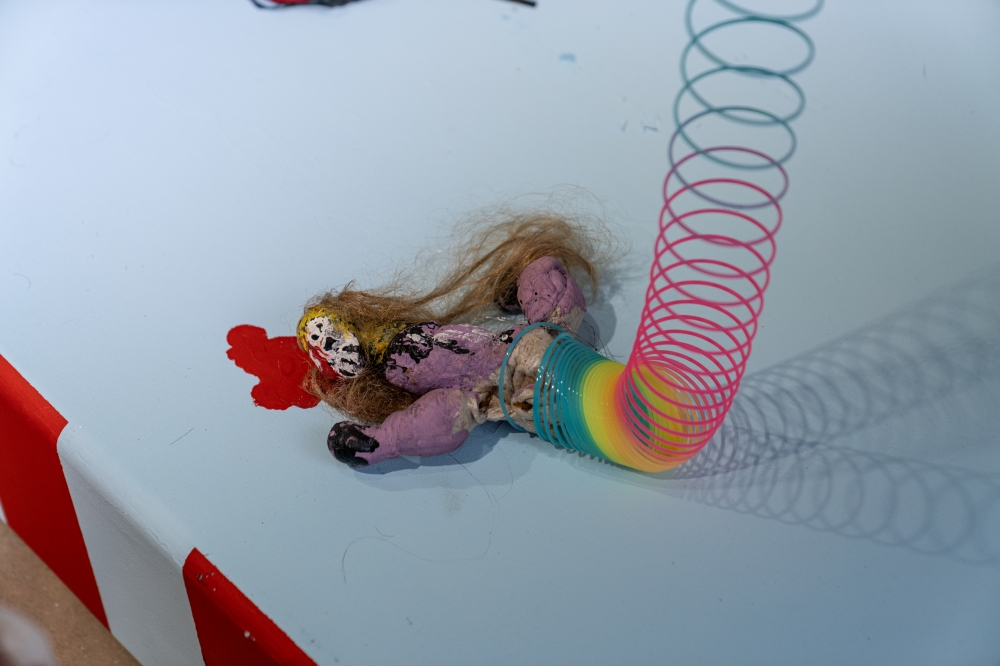
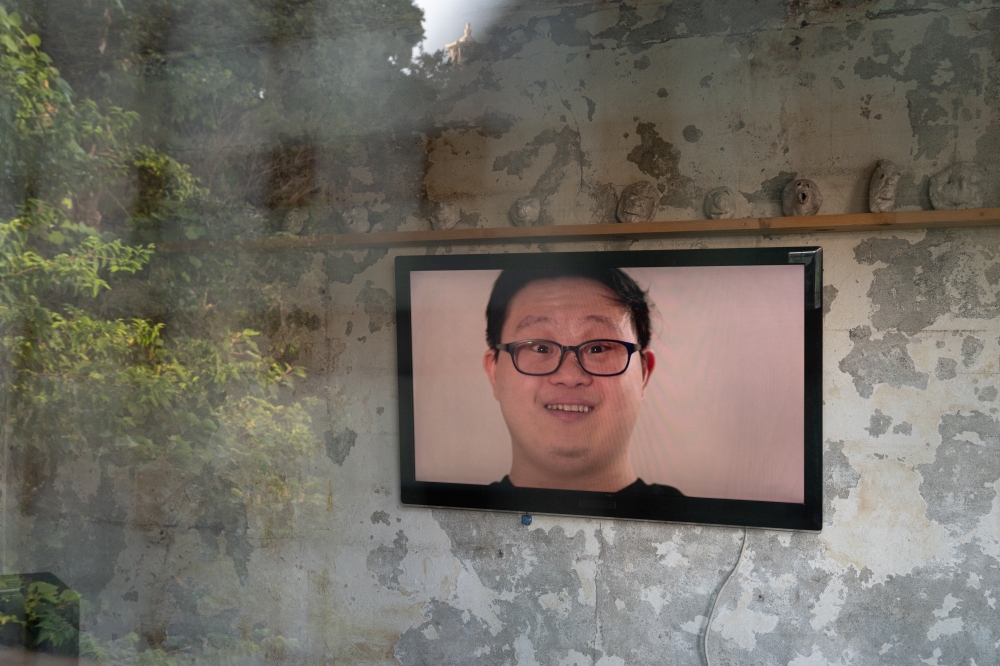
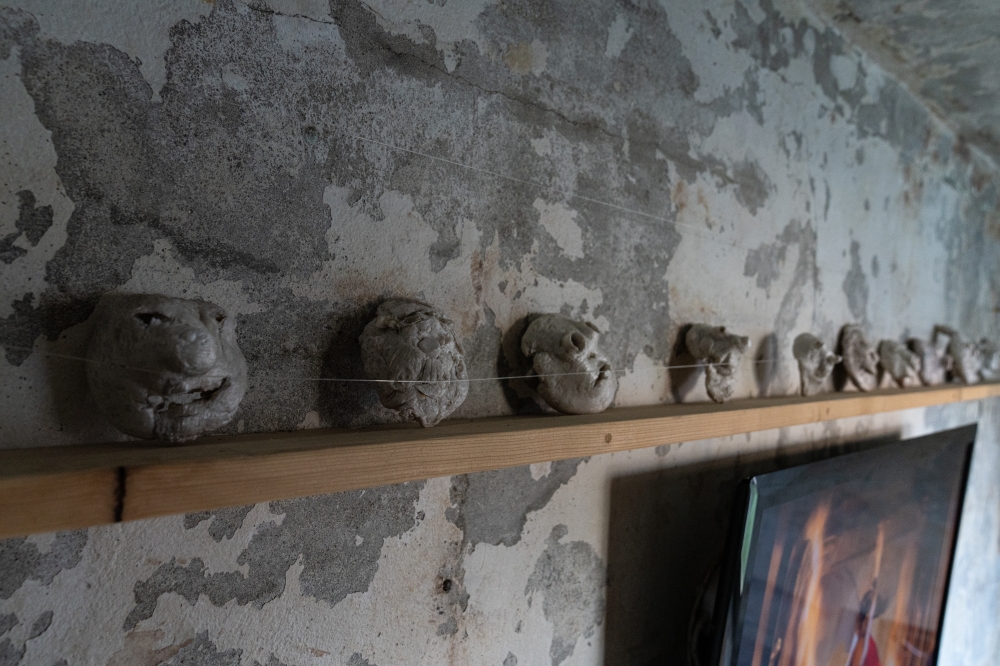
작가는 발달장애의 정체성을 가진 작가 김현우와의 만남을 통해 《아토믹 보이》의 서사를 구상했다. 김현우가 보여주는 조형 언어ㅡ가상세계의 이야기, 감정의 밀도와 반복, 몰입의 리듬ㅡ는 ‘로봇의 인지, 표현, 감정’이라는 세계관 설정에 결정적 출발점이 되었다. 김현우의 마음 풍경과 그가 세우는 언어의 세계를 그대로 반영하여 감정과 실패를 훈련하고 연기하는 로봇서커스단의 이야기로 구성했다. 감정은 기술로 구성되고, 감동은 연출되며, 우울은 하나의 컨셉이 되는 로봇 서커스에 환호하는 이 세계에서는 “넘어진다는 건 인간다운 거니까요.”라는 대사처럼 인간다움을 연기해야 하는 존재가 오히려 인간보다 더 인간적이라는 역설을 안고 있다.
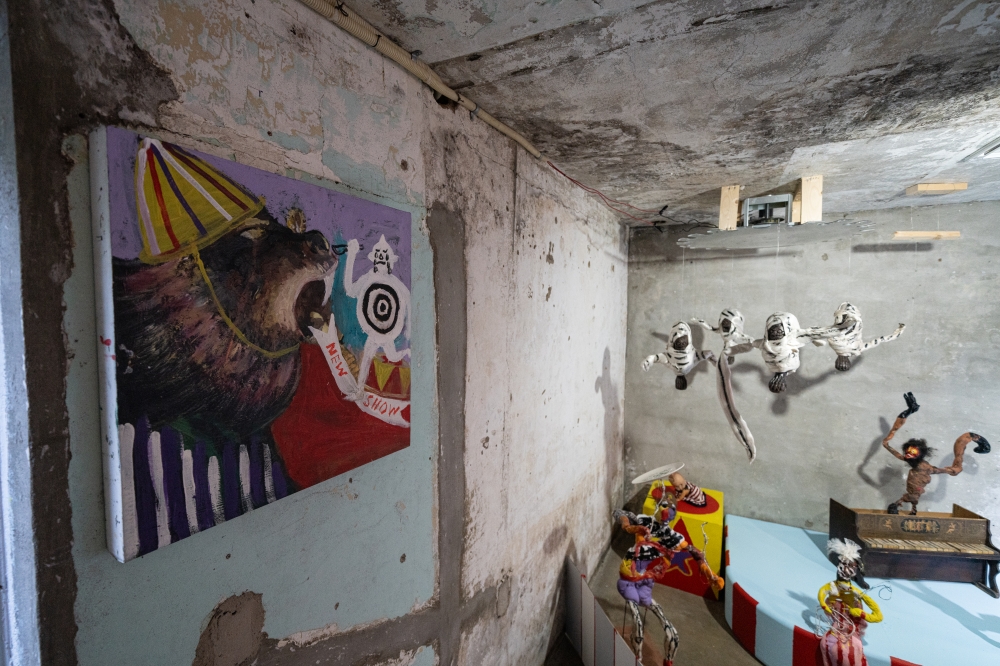
작가는 동물원에서 탈출한 얼룩말 ‘세로’의 사례에서도 영감을 받았다. 인간에게 익숙한 공간을 배회하던 낯선 얼룩말이 다시 우리 안ㅡ인간이 설정한 제 자리ㅡ으로 들어왔을 때, 사람들은 그를 보기 위해 몰려들었고 우리 공사를 하는 바람에 세로가 “잘 안 보인다”며 불평했다. 너무 이질적이기에 구경거리가 된 존재, 체계 바깥에 한 번 나갔다가 다시 안으로 들어왔을 뿐인데 훨씬 더 눈에 띄게 된 존재. 인간 사회가 만들어낸 ‘보는 방식’은 결국 규범에서 벗어난 감각을 전시하고 소비하는 방식이기도 하다. 《아토믹 보이》의 로봇 단원들은 이와 같은 인간의 감정 구조, 존재 조건, 시선의 폭력까지도 함께 수행한다.
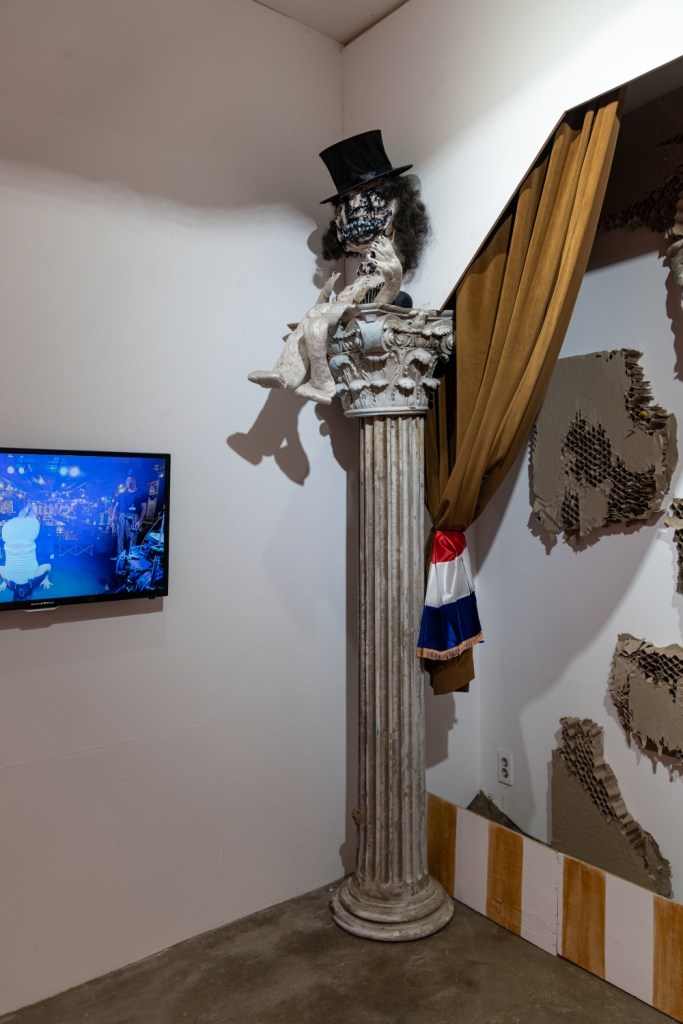
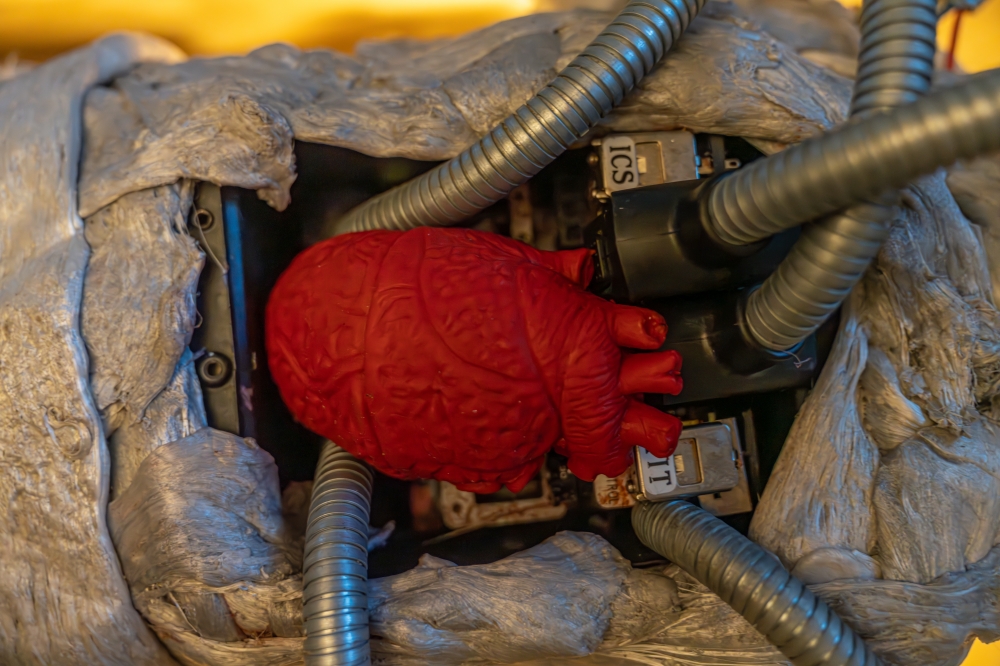
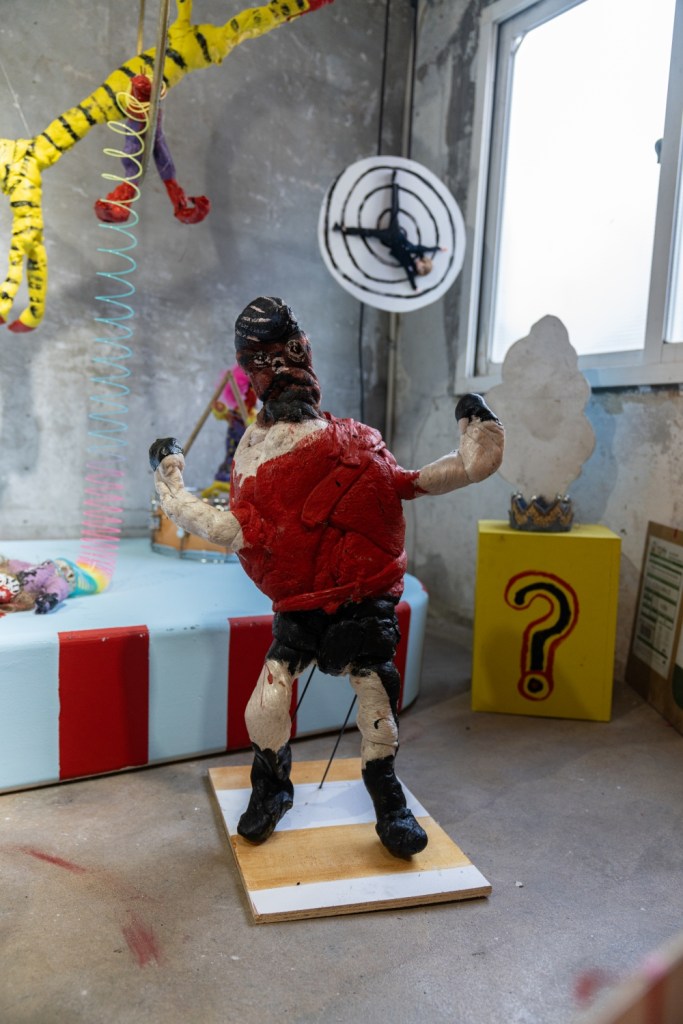
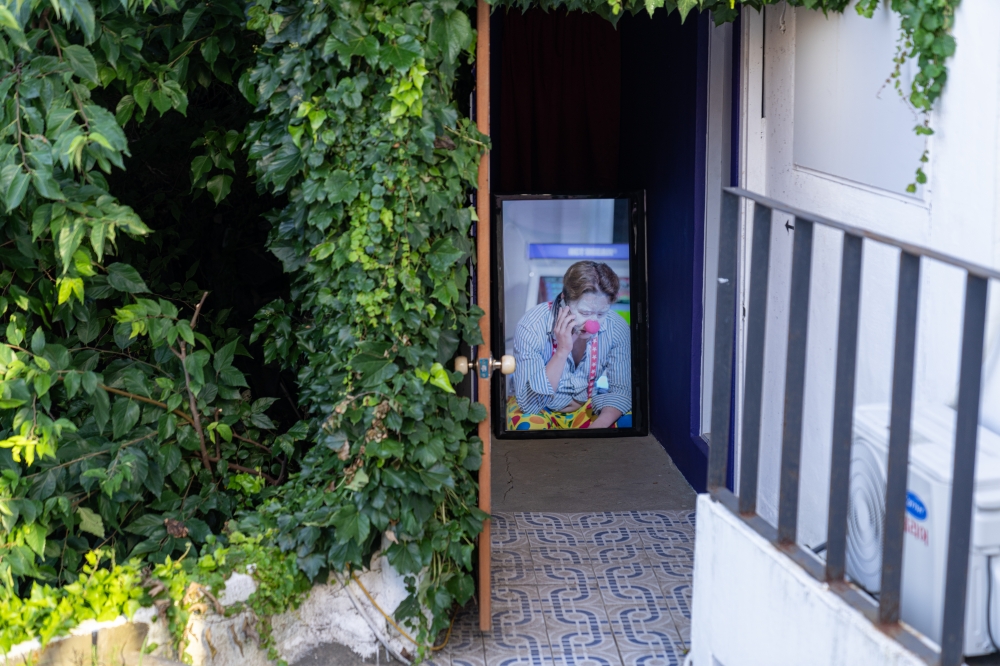
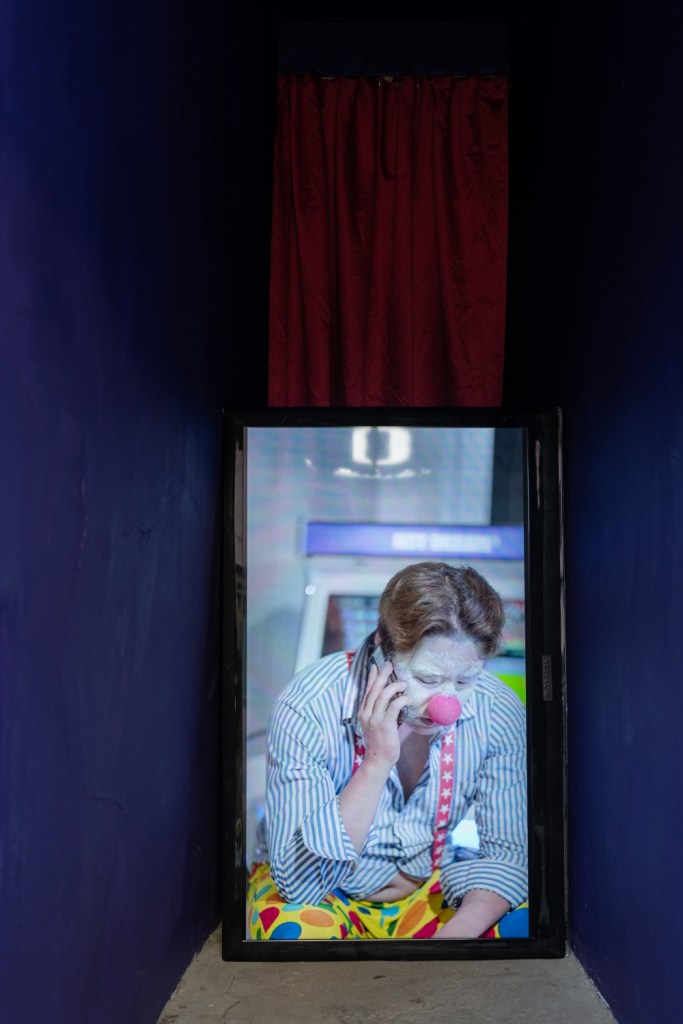
실수를 연습하는 완벽한 로봇 아톰으로부터 심장과 뇌 이식수술을 받은 희토는 단원이 되기 위해 프랑스인인 단장에게 인터뷰를 받는다. 다른 언어가 교차하고, 단장은 희토가 로봇서커스에 적격하다고 생각하며 써밋이라는 새이름을 지어준다. 서커스단의 주인공이 된 ‘써밋’은 감정을 연기하고 실패를 반복하며 자라기 위해 상처를 입는다. 감정 조절에 실패하면 그는 “속였네”라는 비난을 받는다. 감정을 연기해야 인간으로 인정받고, 아파야 진짜가 되며, 자라야 존재로 취급되는 이 시스템은 오늘날의 정동 구조를 은유한다. 인간성을 증명하기 위해 실패까지 연습하는 로봇들은 어떤 의미에서 우리 자신의 초상이기도 하다.
이 전시는 발달장애인을 둘러싼 사회적 조건에도 은밀히 접속한다. 낯선모습을 대상화하여 여기고, 노동에 기여하지 못하면 비인간으로 여겨지고, 감정을 정확히 표현하지 못하면 ‘없는 존재’로 간주되는 현실. 감정의 규범에서 벗어난 이들에게 요구되는 것은 슬픔을 연기하고 아픔을 번역하는 일종의 ‘연기된 인간성’이다. 장애는 결함이 아니라 감각의 또 다른 형식이며 인간성의 예외가 아닌 본질의 한 단면이다. 《아토믹 보이》는 감정이 상품화되고 존재의 조건이 시뮬레이션되는 시대에 인간성과 연기의 구조를 되묻는 하나의 우화다.
Atomic Boy: The Most Recent Show on Earth poses a counter-question in an age where becoming “more human” is seen as a technological goal: What, then, does it mean to be human? The exhibition reveals the irony and violence embedded in the idea of humanity through the image of a near-perfect being performing “mistakes.”
The narrative of Atomic Boy was conceived through the artist’s encounter with Hyunwoo Kim, an artist with a developmental disability. Kim’s visual language—his imagined worlds, the density of emotion, the rhythm of repetition and immersion—served as the critical foundation for the conceptualization of robotic cognition, expression, and feeling. Drawing directly from Kim’s emotional landscape and the linguistic universe he constructs, the exhibition unfolds as the story of a robotic circus troupe where performers rehearse and enact failure and emotion. In this world, emotion is technically engineered, sentiment is choreographed, and depression is stylized as a concept. As the line “Falling down is what makes us human” suggests, a being that must perform mistakes in order to appear human carries an irony—perhaps it is even more human than humans themselves.
The exhibition also draws inspiration from the real-life case of “Sero,” a zebra that escaped from a zoo in Korea. When this unfamiliar presence wandered through familiar human spaces and was later recaptured, people flocked to see him in his enclosure—only to complain that he was hard to spot due to ongoing renovations. A being made spectacle for its strangeness, more visible after returning to its “designated place”—this anecdote underscores how the human gaze tends to exhibit and consume that which deviates from the norm. The robotic performers in Atomic Boy echo this structure of feeling, this regime of visibility, this violence of looking.
In the story, Herto—a perfect robot who has received a heart and brain transplant from Atom, the former star—undergoes an interview with the French ringmaster to join the troupe. Languages cross and collide. The ringmaster deems Herto fit for the circus and gives him a new name: Summit. As the new star of the show, Summit rehearses emotions, repeats failure, and grows by getting hurt. When he fails to modulate his emotions, he is accused of deception: “You tricked us.” To be acknowledged as human, he must perform feeling, suffer visibly, and prove his growth. This system mirrors our contemporary affective structures, where humanity is proven by performing vulnerability and productivity. In this sense, these robots are our own reflection.
The exhibition subtly engages with the conditions surrounding people with developmental disabilities. Society often treats unfamiliar appearances as spectacles, denies humanity to those who do not “contribute,” and renders those who do not conform to emotional norms invisible. For those who diverge from emotional codes, what is demanded is a kind of performed humanity—a translation of pain into legible emotion. Yet disability is not a defect, but another modality of perception; not an exception to humanity, but a facet of its very nature. Atomic Boy: The Most Recent Show on Earth is a fable for our times, where feelings are commodified and existence is simulated. It asks us to reconsider not just what it means to perform, but what it means to be human.























































 Park Chulho