9.2-9.27, 2023
Puntoblu, Seoul
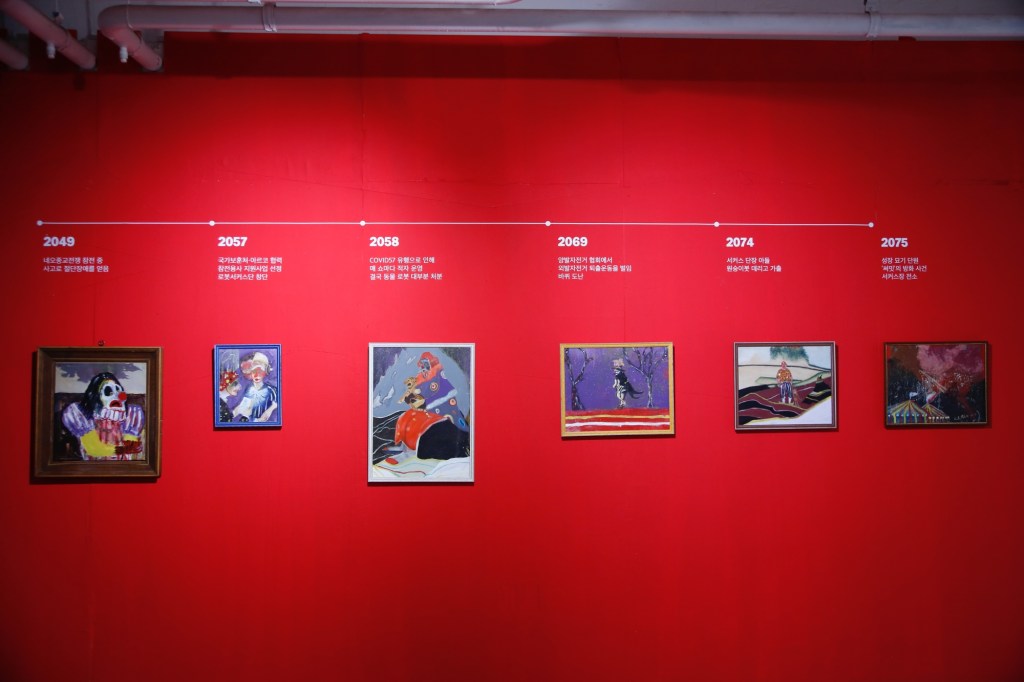
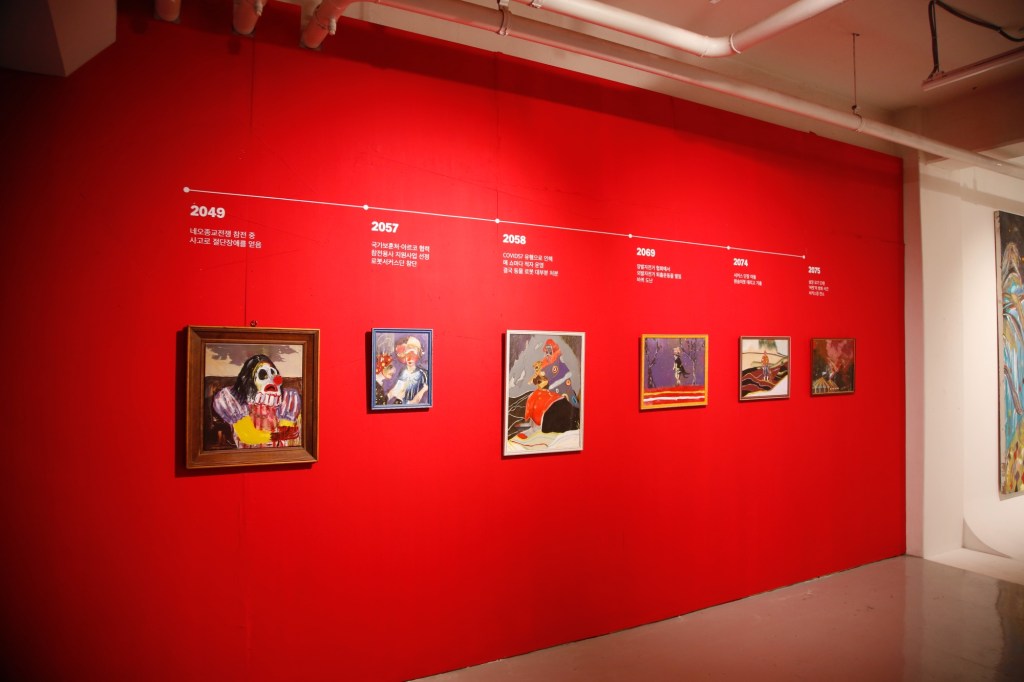
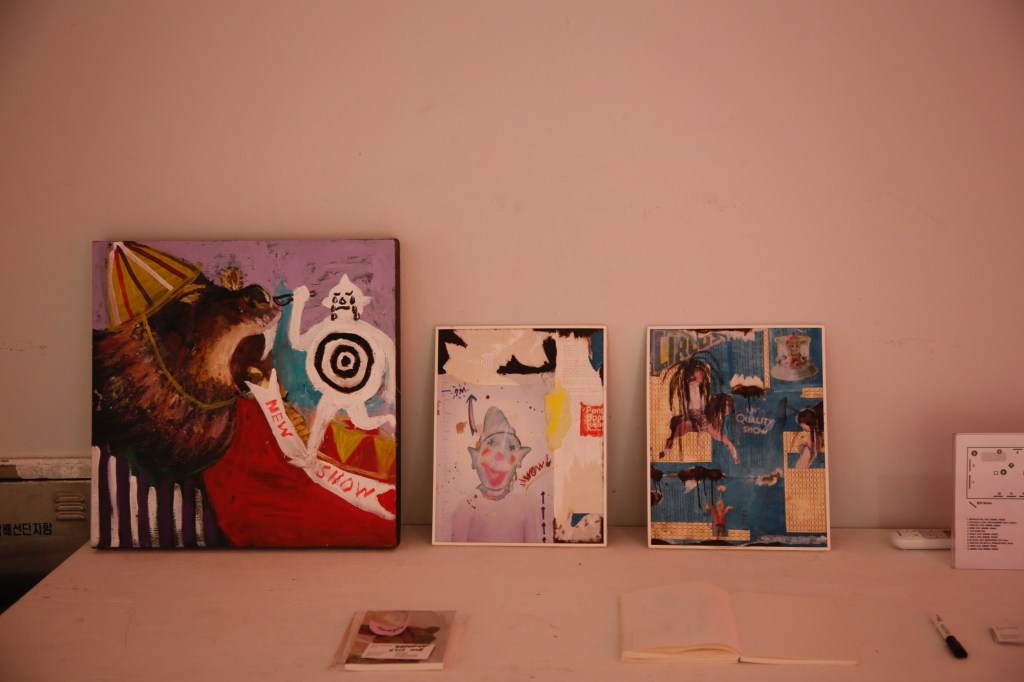
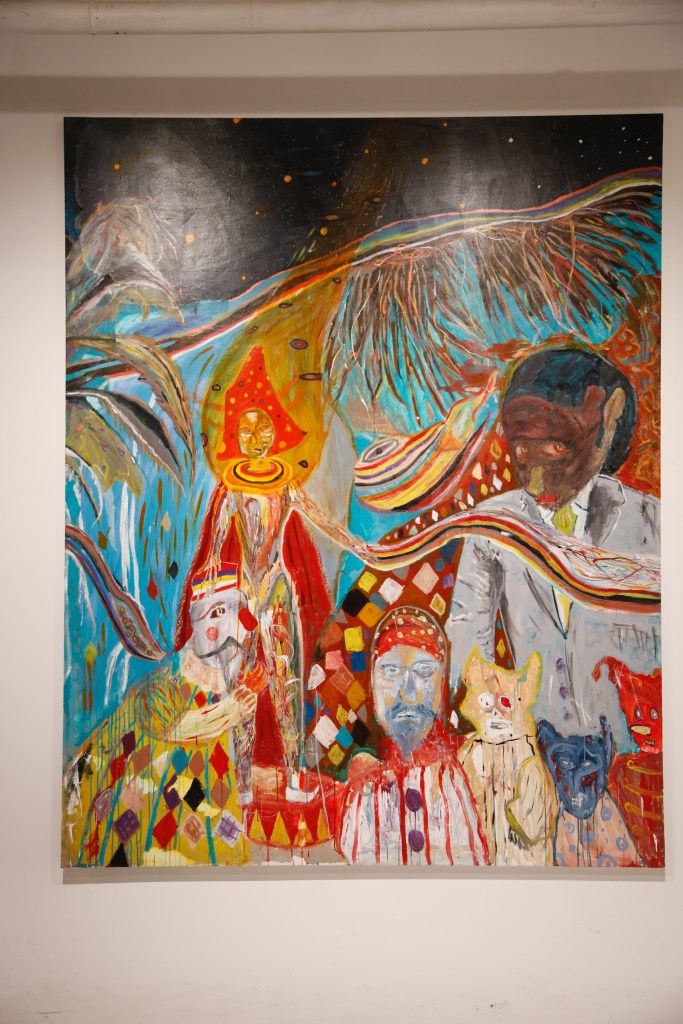
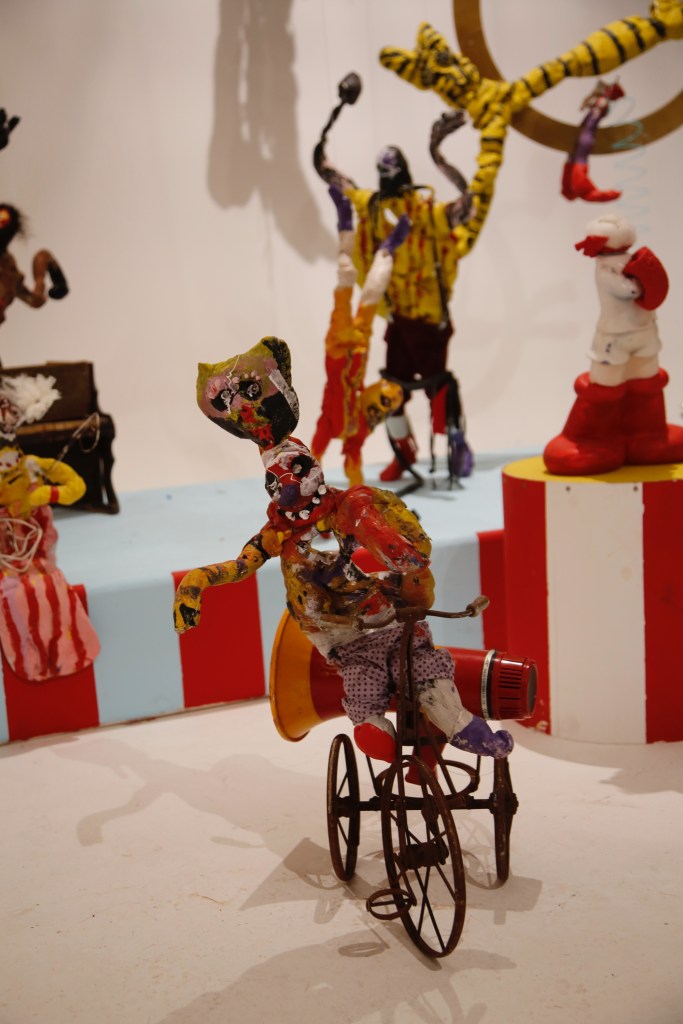
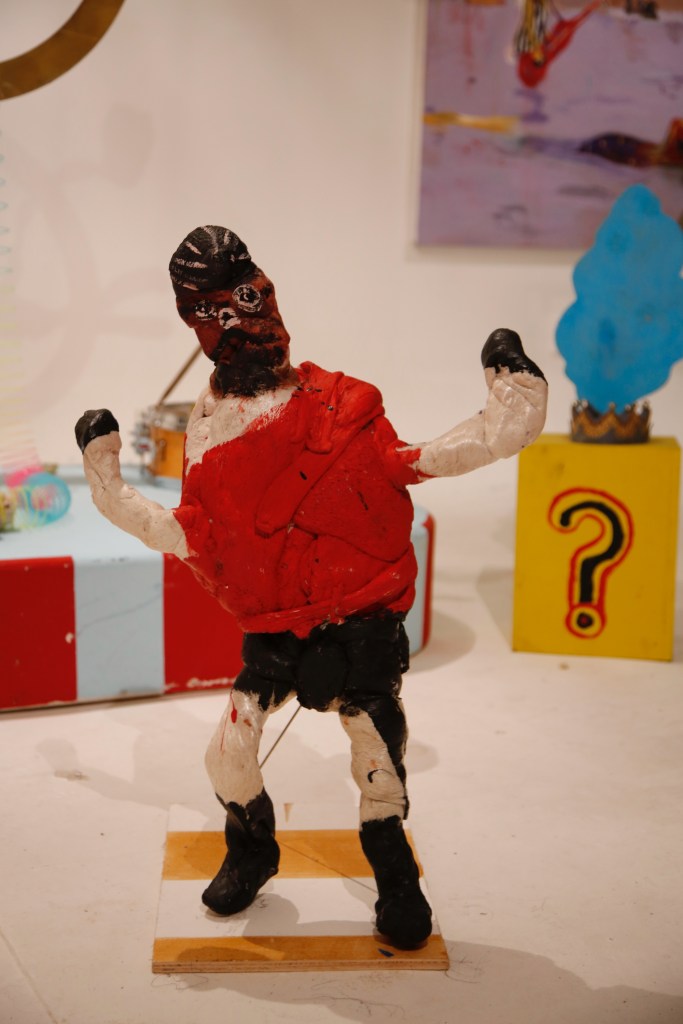
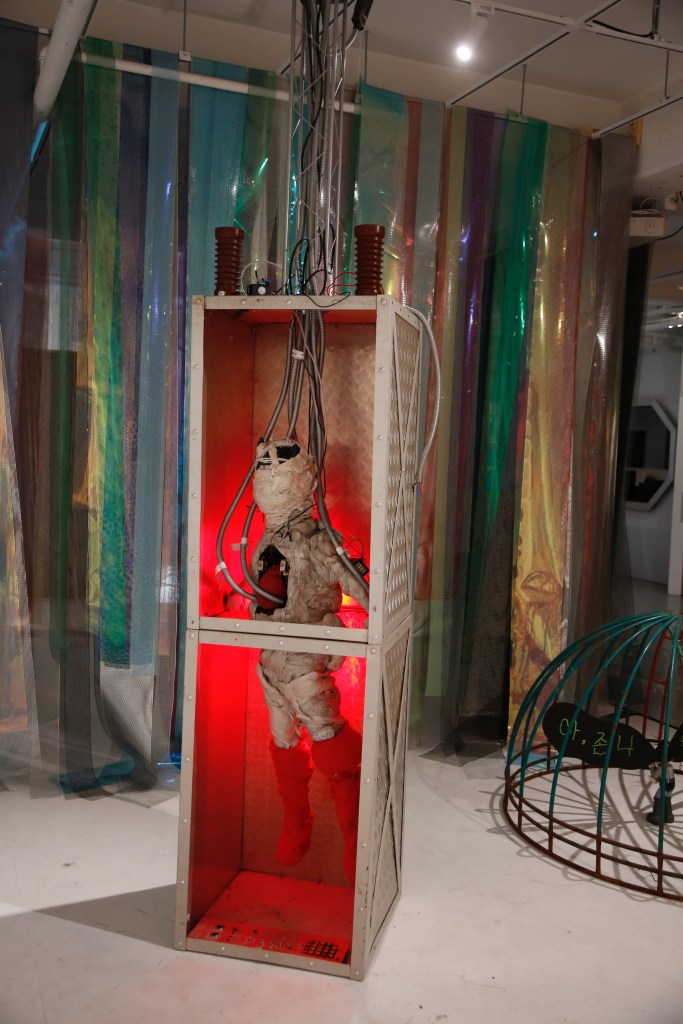
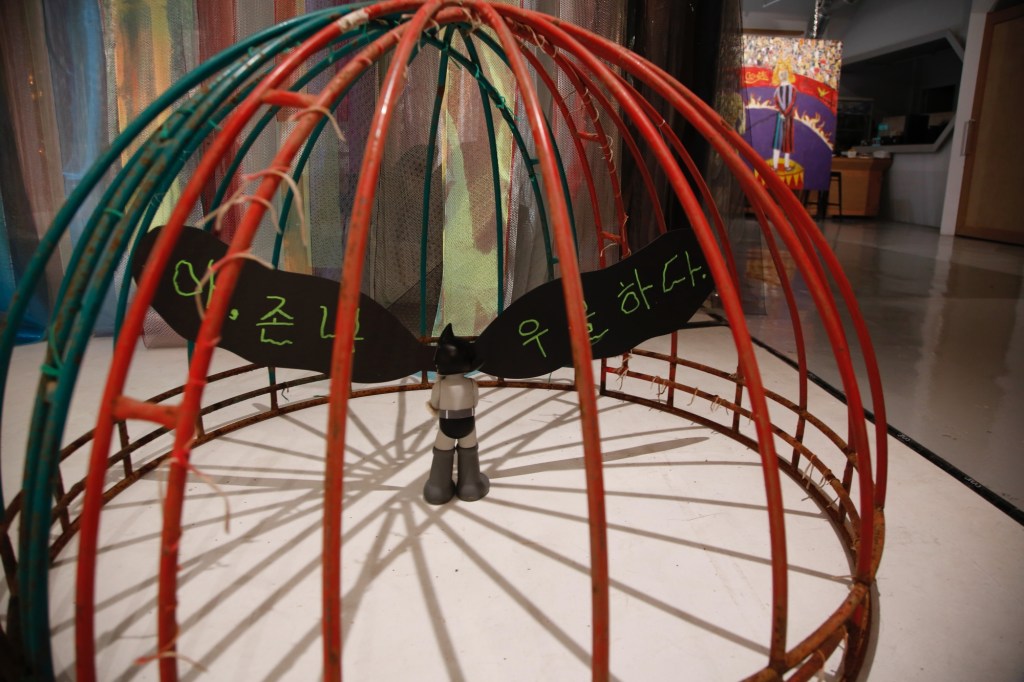
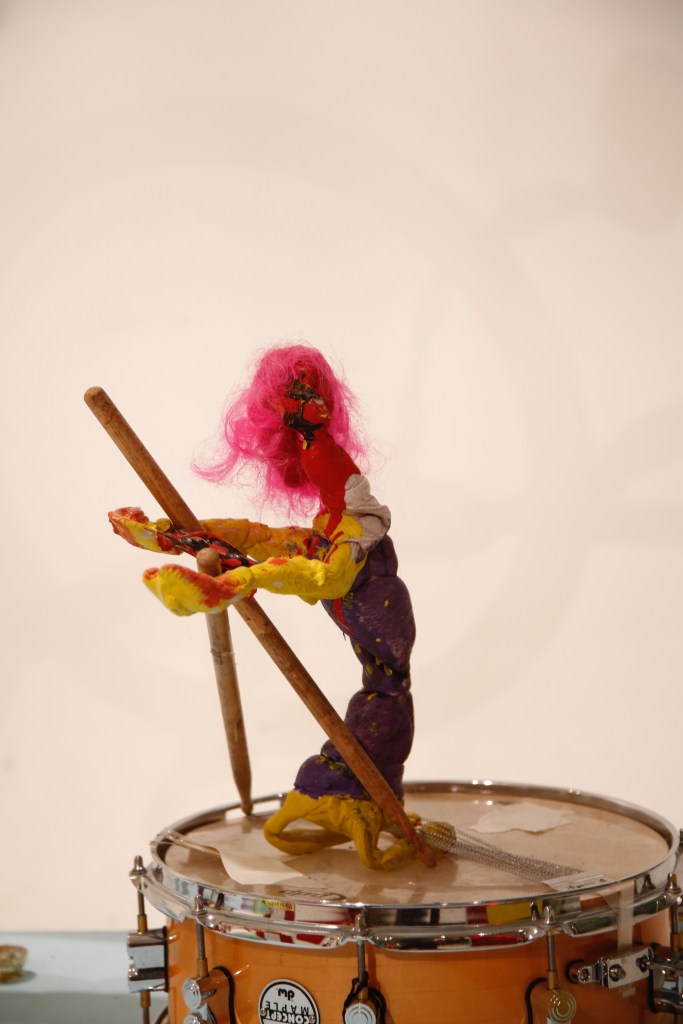
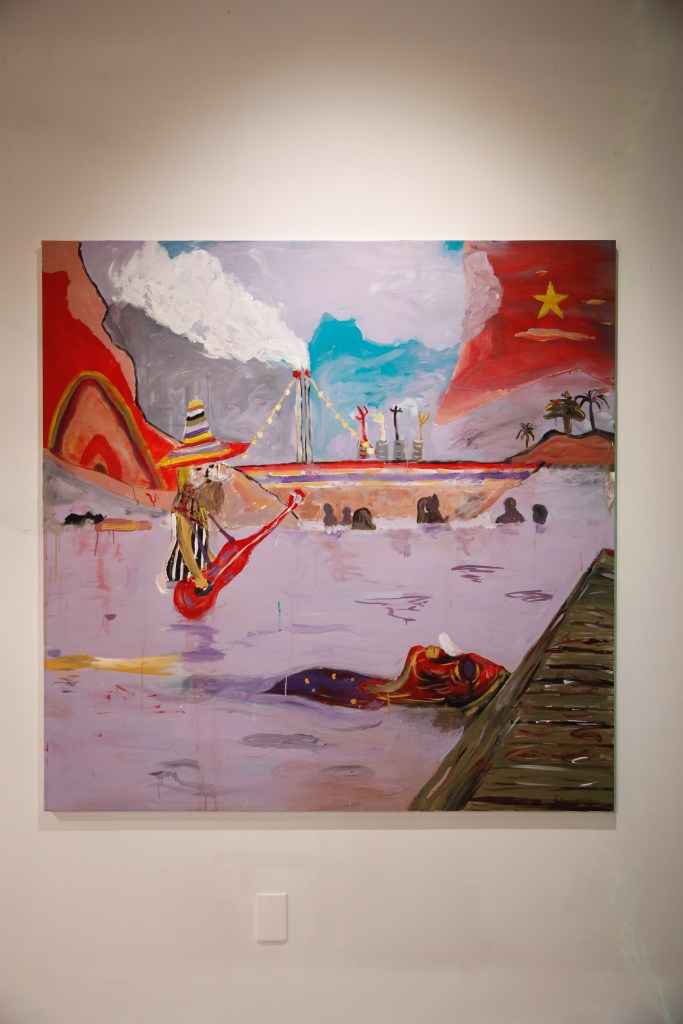
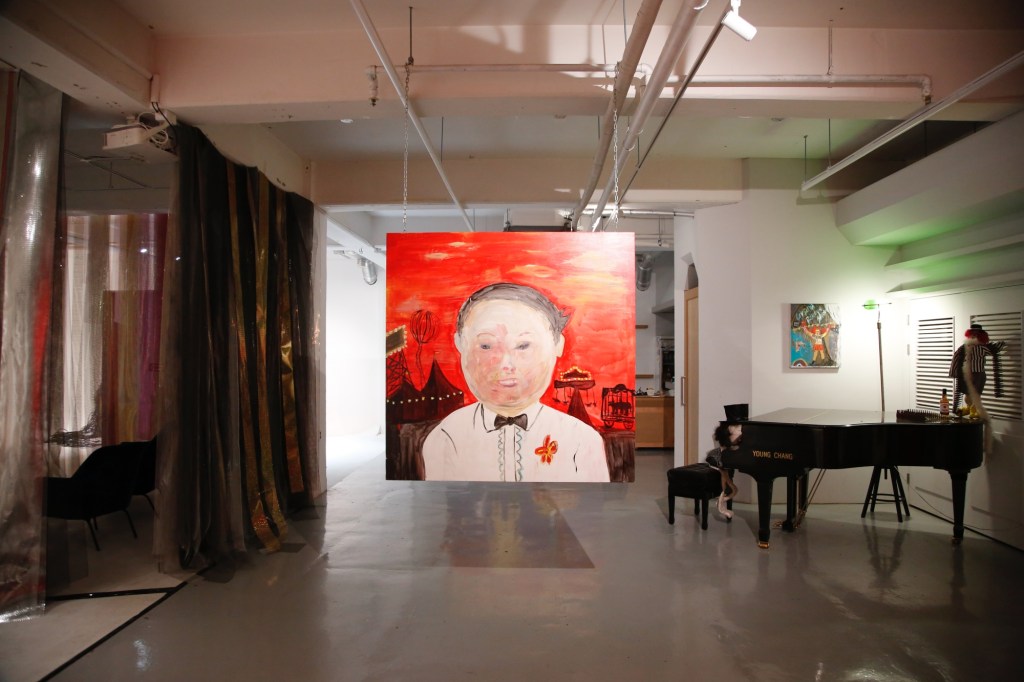
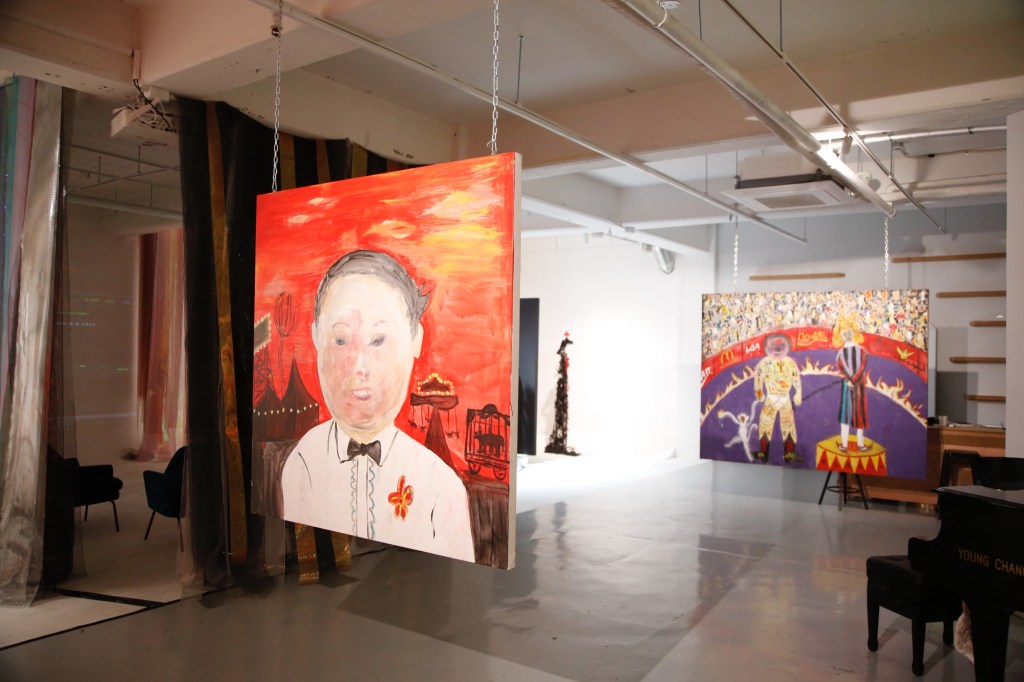
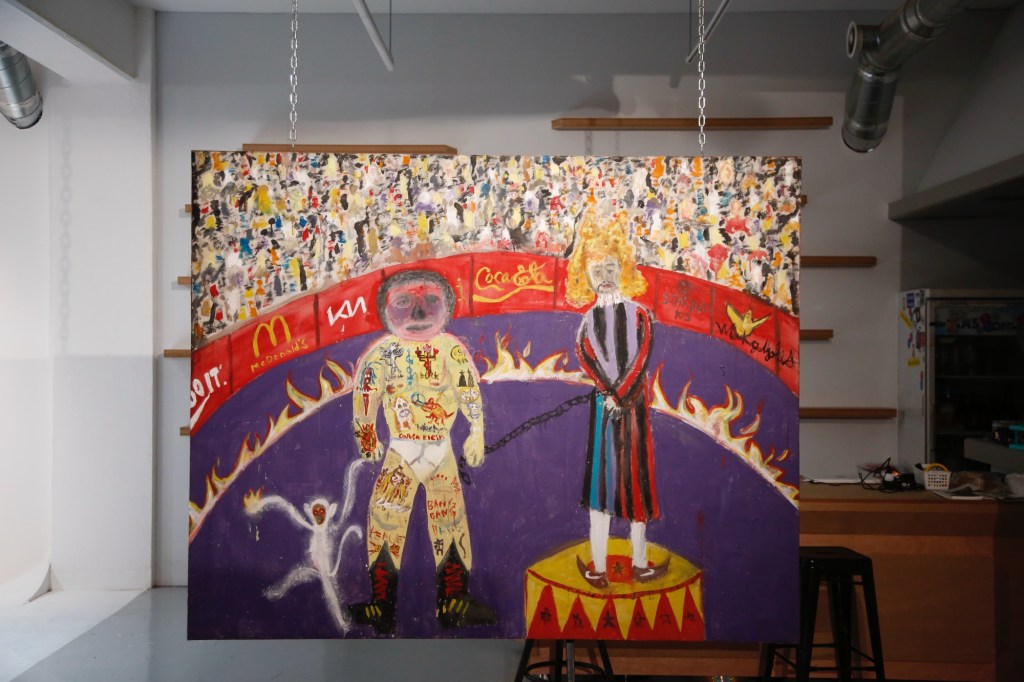
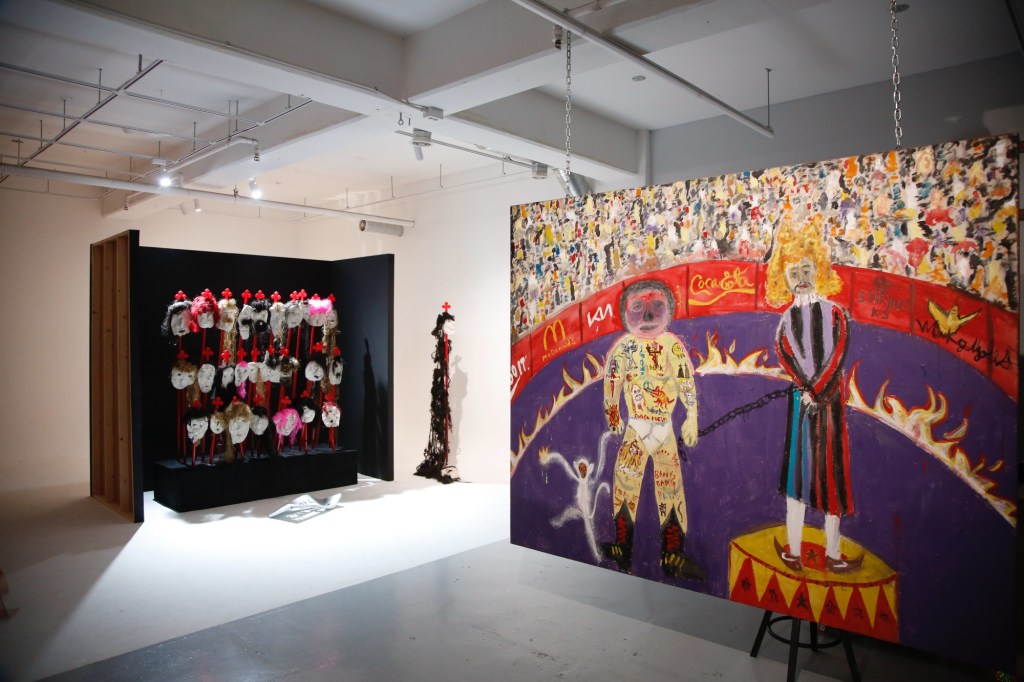
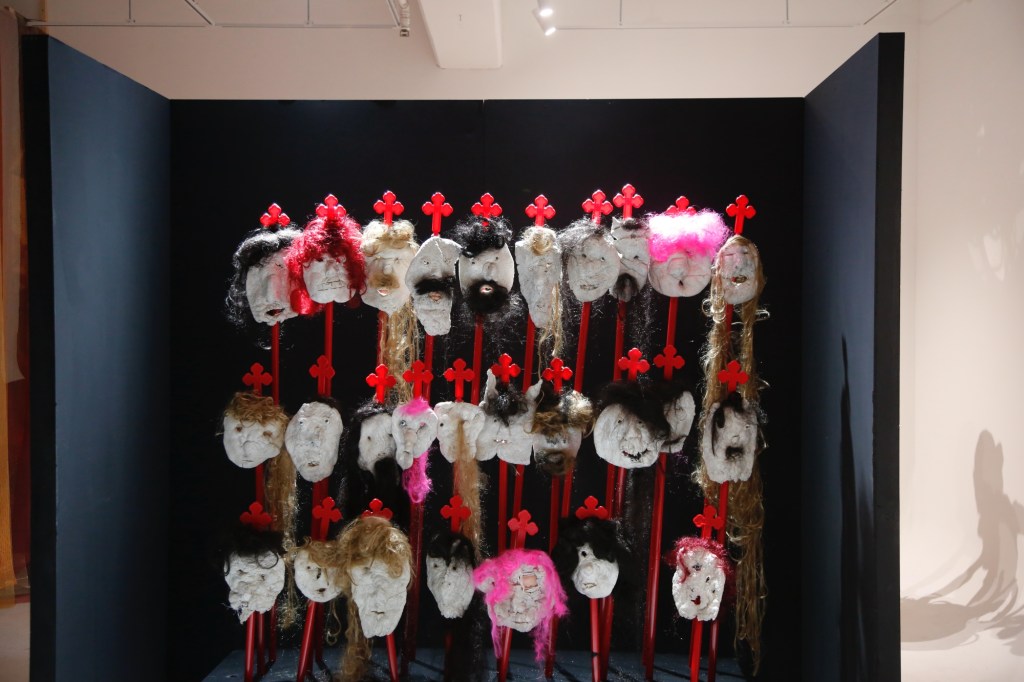
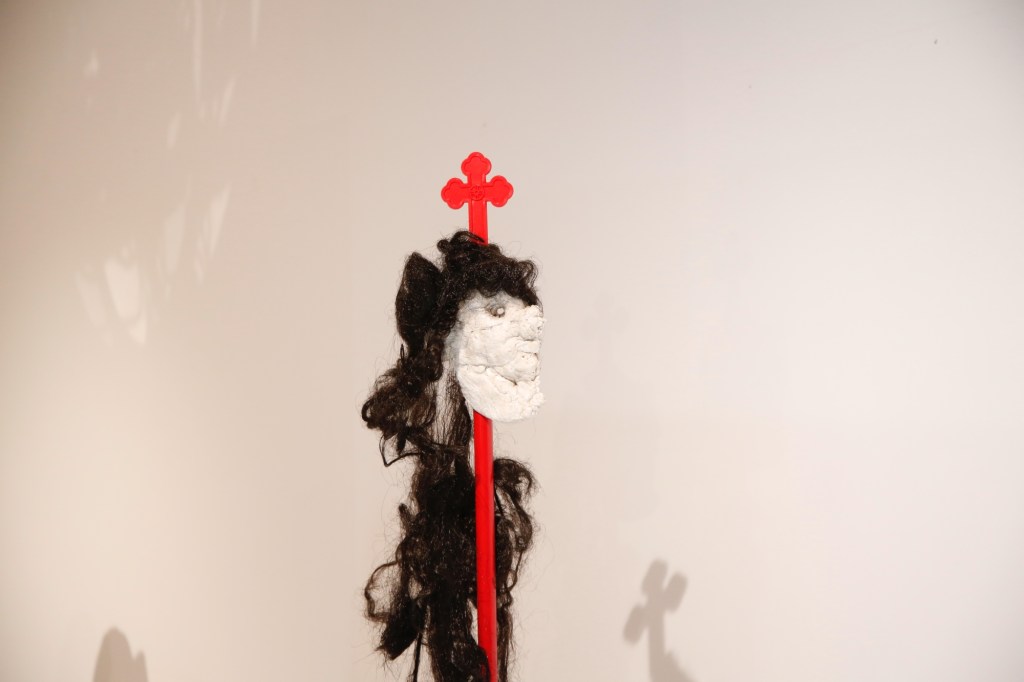
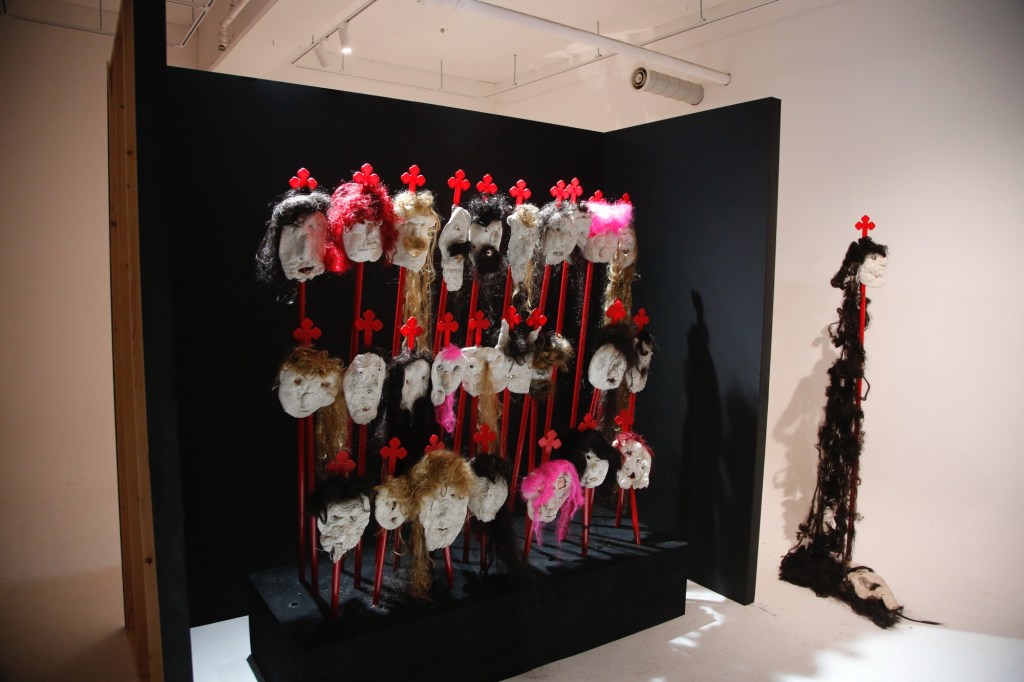
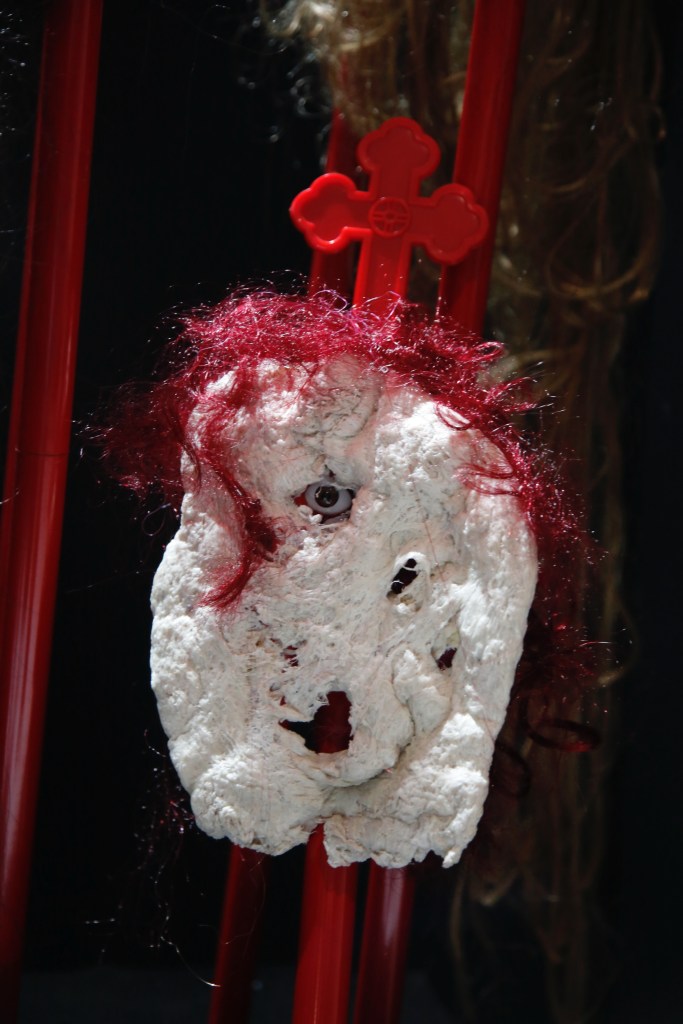
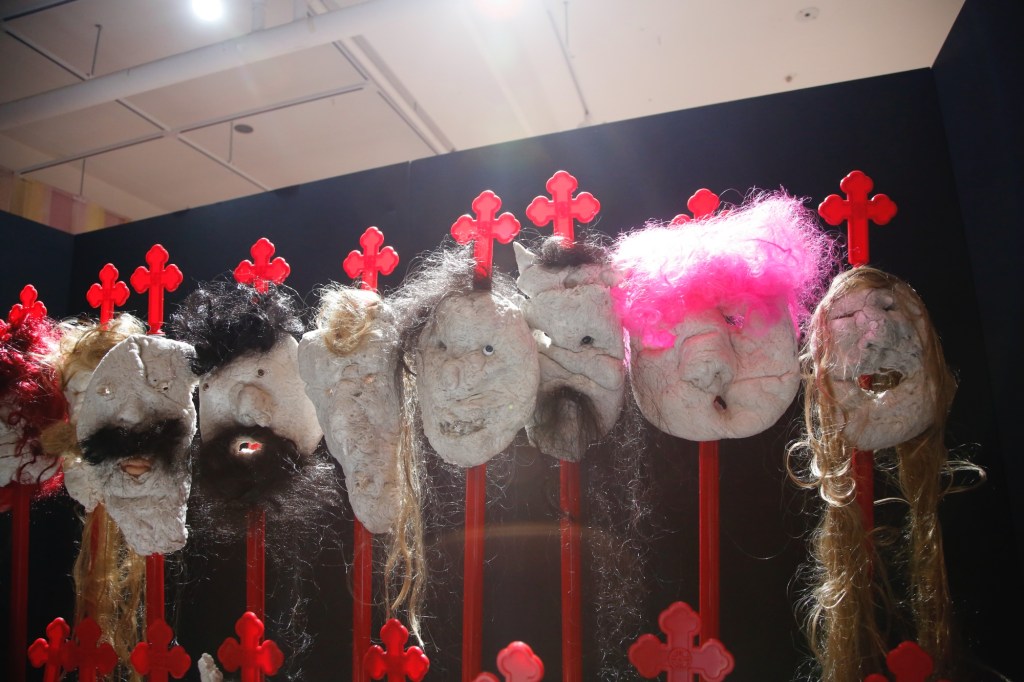
박철호의 전시 《아토믹 보이: 지상 최근의 쇼》는 부산 오픈스페이스 배에서 처음 선보인 후, 서울 뿐또블루에서 재구성되어 다시 펼쳐졌다. 부산에서는 3개 층에 걸쳐 5개의 공간으로 분산되어 전개되었던 작품 세계가 서울에서는 하나의 박스형 전시장 안에 밀도 있게 응축되었다. 이 재구성은 단순한 반복이 아니라, 이야기의 ‘부록’에 해당하는 작품들이 추가되며 세계관의 구조를 한층 정교하게 확장시키는 시도였다. 새롭게 추가된 〈녹슨 젖〉, 〈찌그러진 인사〉, 〈장발르크와 힛틀러〉 등의 작업은 ‘로봇서커스단 연보’에서 암시되었던 세계 이후의 디스토피아적 미래, 곧 인간과 인공지능 간의 전쟁이 지나간 자리, 종교와 믿음, 문명의 잔해 속에서 시작되는 새로운 신화의 장을 암시한다.
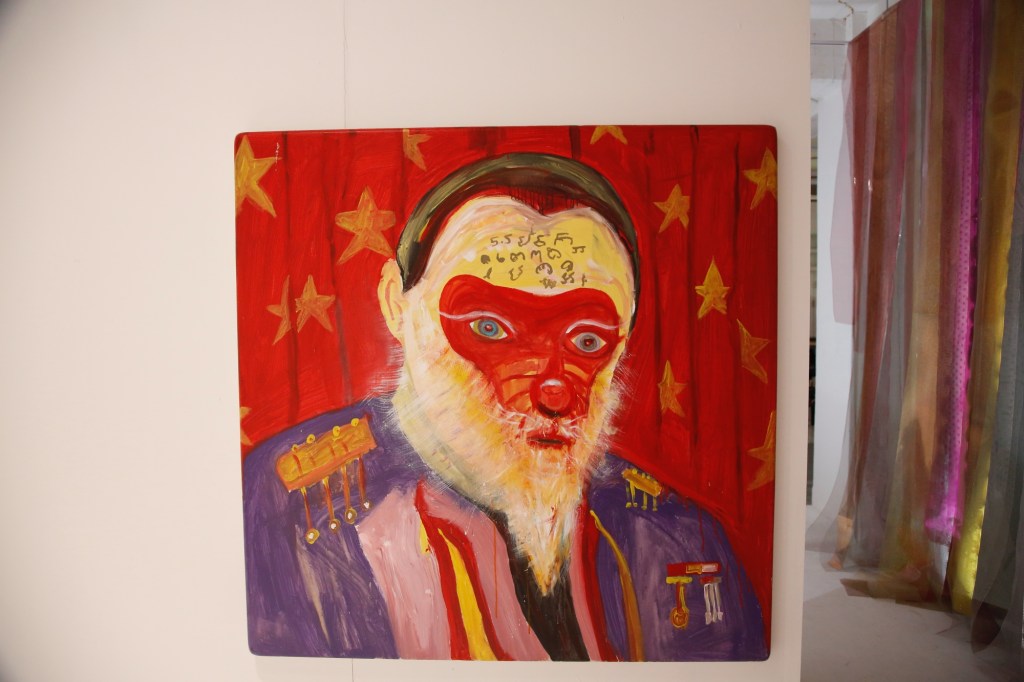
전시는 데즈카 오사무의 《철완 아톰》 ‘서커스’ 에피소드에서 영감을 받아 시작되었지만, 단지 오마주에 머물지 않고 동시대의 정동, 기술, 장애, 감정의 조건까지 포괄하는 복합적 구조로 전개된다. 특히 작가가 발달장애 예술가 김현우와의 만남을 통해 구성한 ‘로봇이 감정을 훈련하고 실수를 연기하는 서커스’라는 설정은 이번 서울 전시에서 더욱 깊이 있게 다뤄진다. 감정이 기술로 구성되고, 감동은 연출되며, 우울은 하나의 컨셉이 되는 세계. 여기에서 “넘어진다는 건 인간다운 거니까요”라는 대사는, 실수마저 연기해야 하는 로봇들의 아이러니한 정체성을 드러내며, 인간성의 조건을 되묻는다.
박철호는 작업을 통해 ‘결함 없는 존재’가 되기 위해 끊임없이 감정을 훈련하고 연기해야 하는 존재의 조건을 그린다. 이는 단순히 로봇의 이야기가 아니라, 사회가 장애를 ‘결함’으로 인식하는 방식, 그리고 감정을 표준화된 언어로 번역할 수 없는 이들을 ‘존재하지 않는 자’로 간주하는 시선에 대한 비판이기도 하다. 작가는 김현우라는 인물의 독자적인 언어 체계, 몰입과 반복의 리듬, 자의적인 세계 설정 방식에서 영감을 받아, 서커스라는 익살과 잔혹이 뒤섞인 형식을 통해 동시대 인간의 정체성을 해부한다. 이 서커스는 그 자체로 실수의 제스처이며, 인간됨에 대한 풍자다.
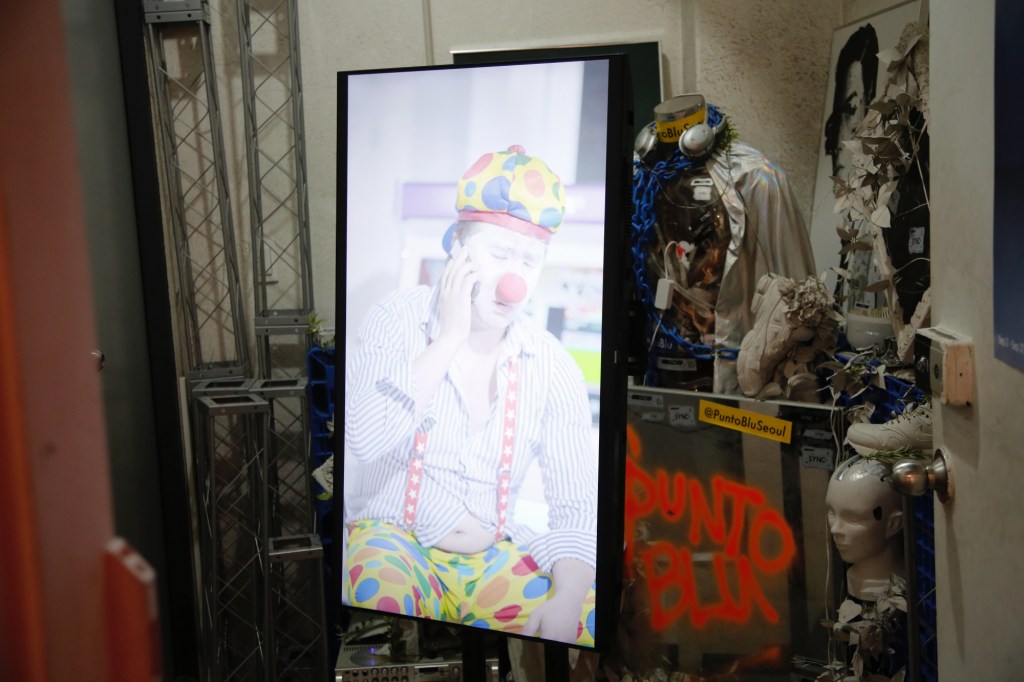
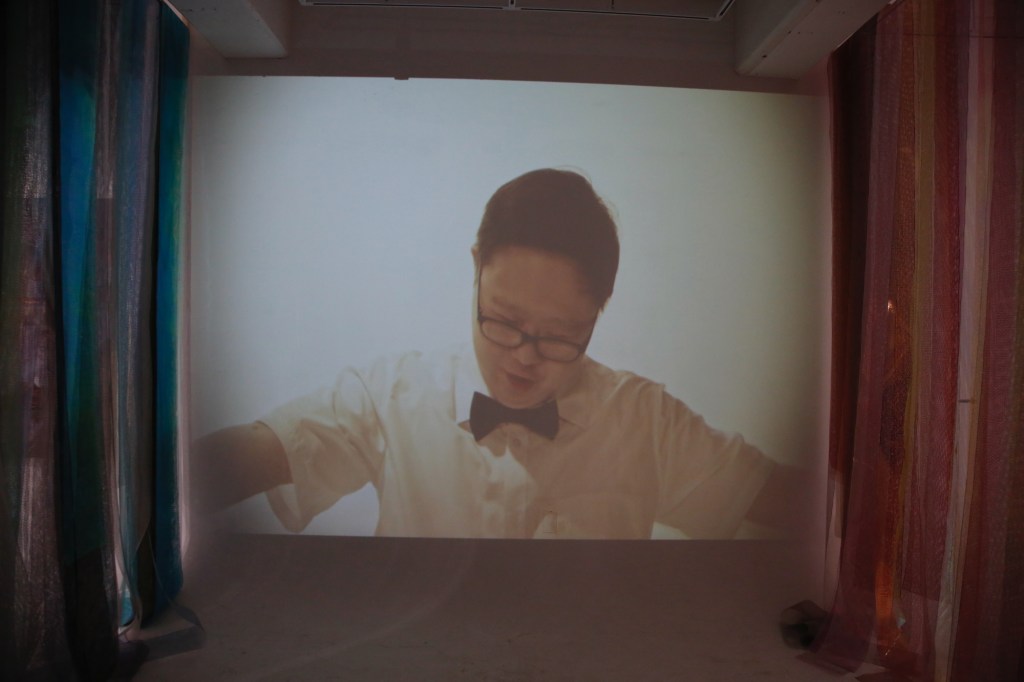
서울 전시에서는 영상 《아토믹 보이》가 전시장의 중심에 배치되며, 하나의 영화처럼 상영된다. 이 26분짜리 영상은 네 개의 장과 하나의 부록 영상으로 구성되며, 각각의 챕터는 인물의 등장, 감정의 연기, 존재의 위기, 죽음과 믿음의 문제를 포괄한다. ‘희토’가 ‘써밋’이라는 이름을 부여받고, 로봇서커스단의 일원이 되어 감정을 연기하는 과정은 사회적으로 승인된 감정 수행의 과정, 그리고 존재로 인정받기 위한 실패의 의례와도 같다. 마지막 장면에서 보여지는 ‘써밋’의 종말은, 감정이 충분히 연기되지 못했을 때의 사회적 배제를 은유한다.
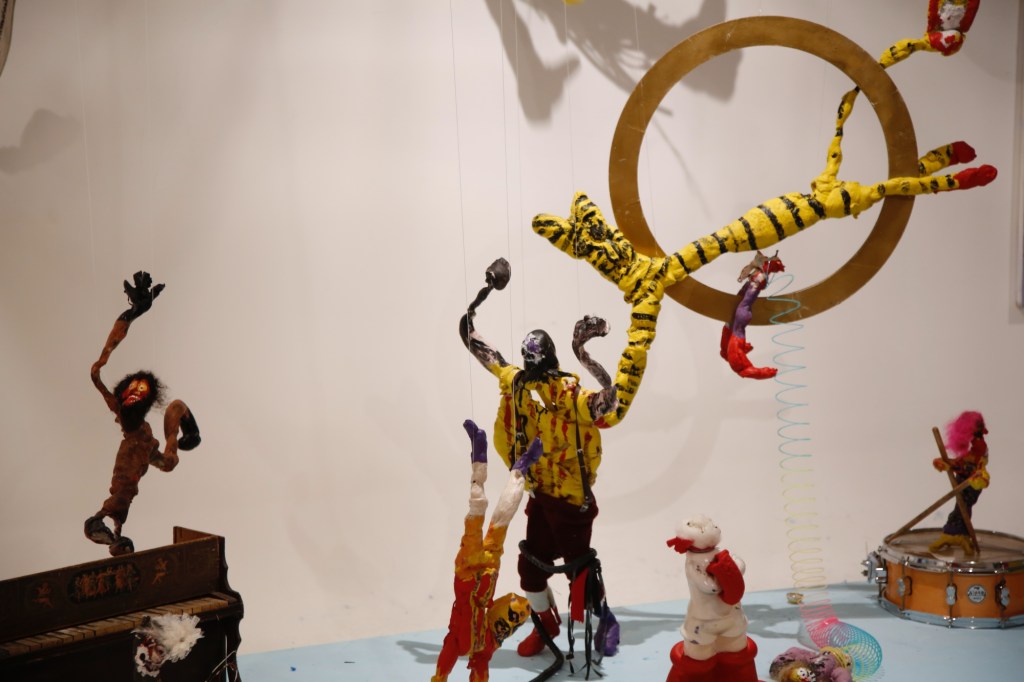
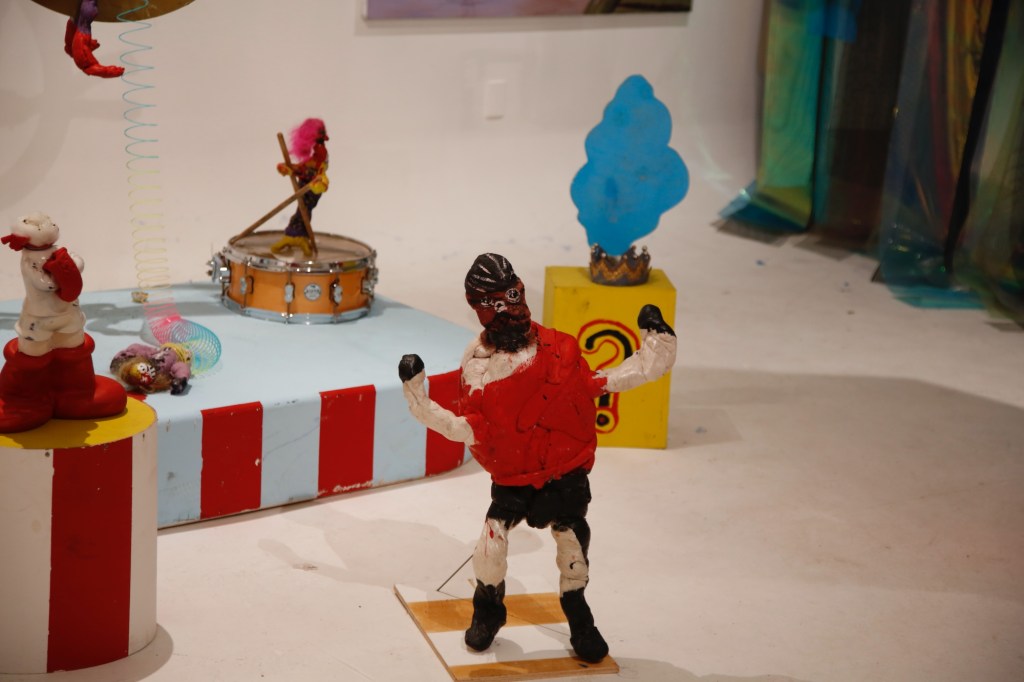
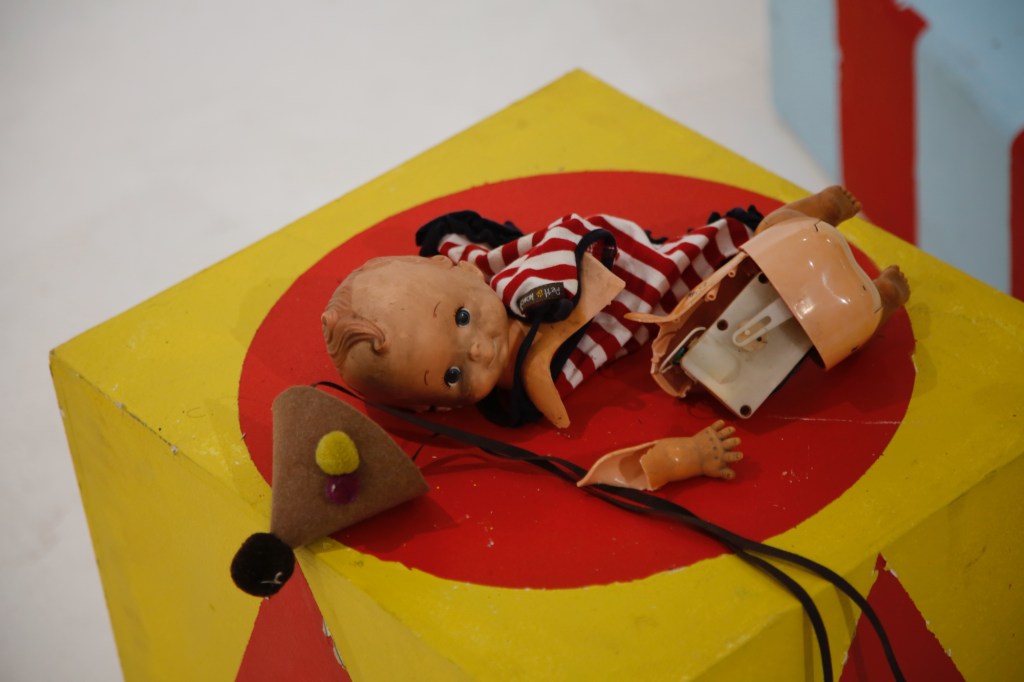
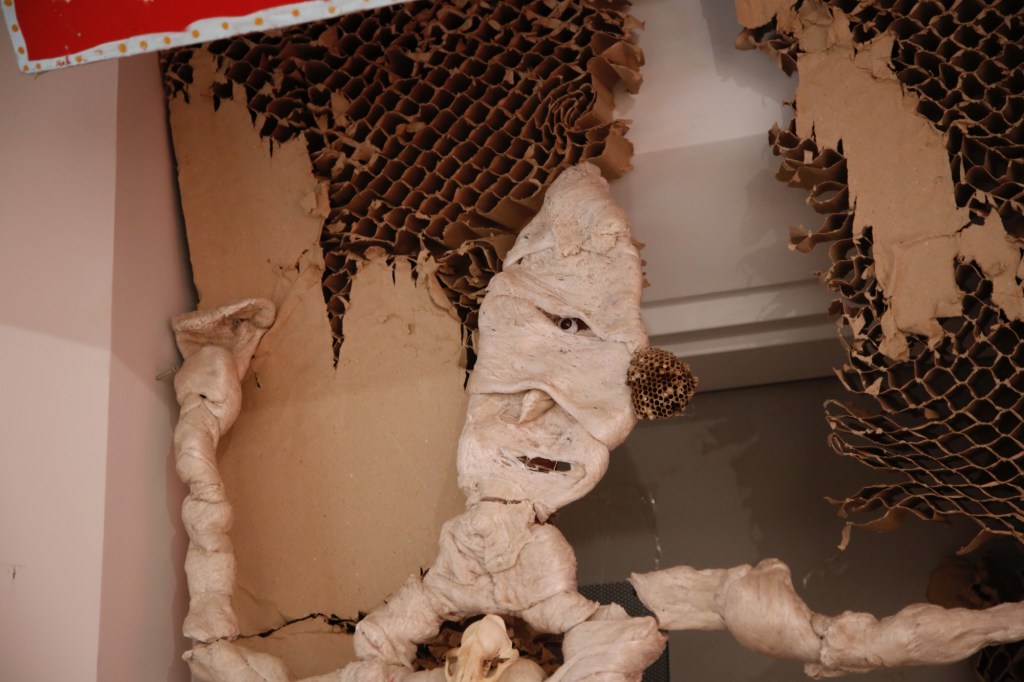
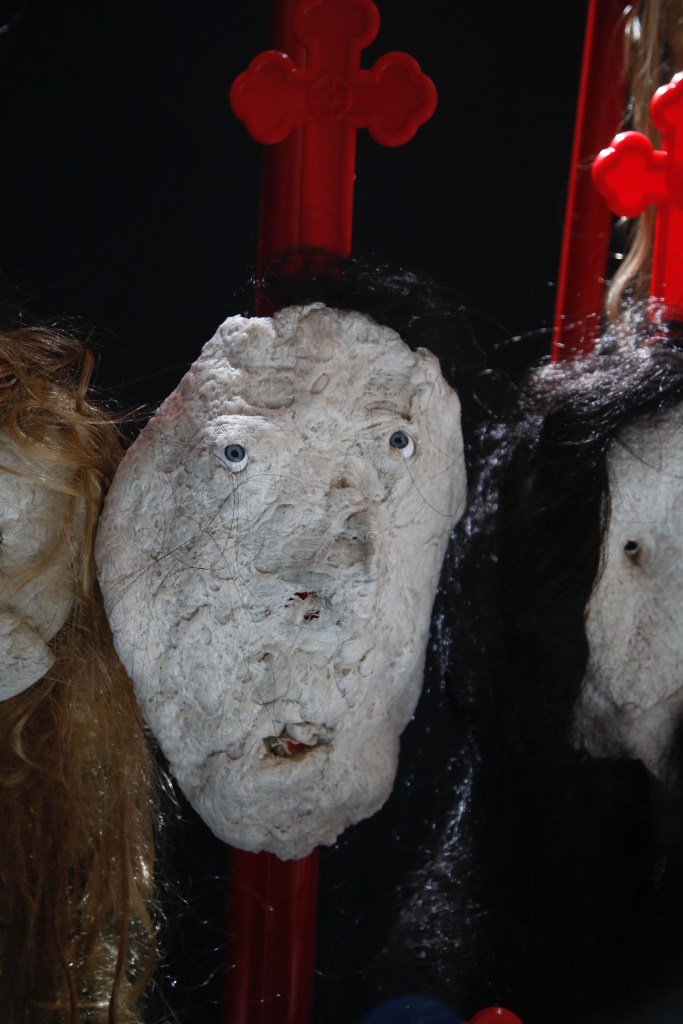
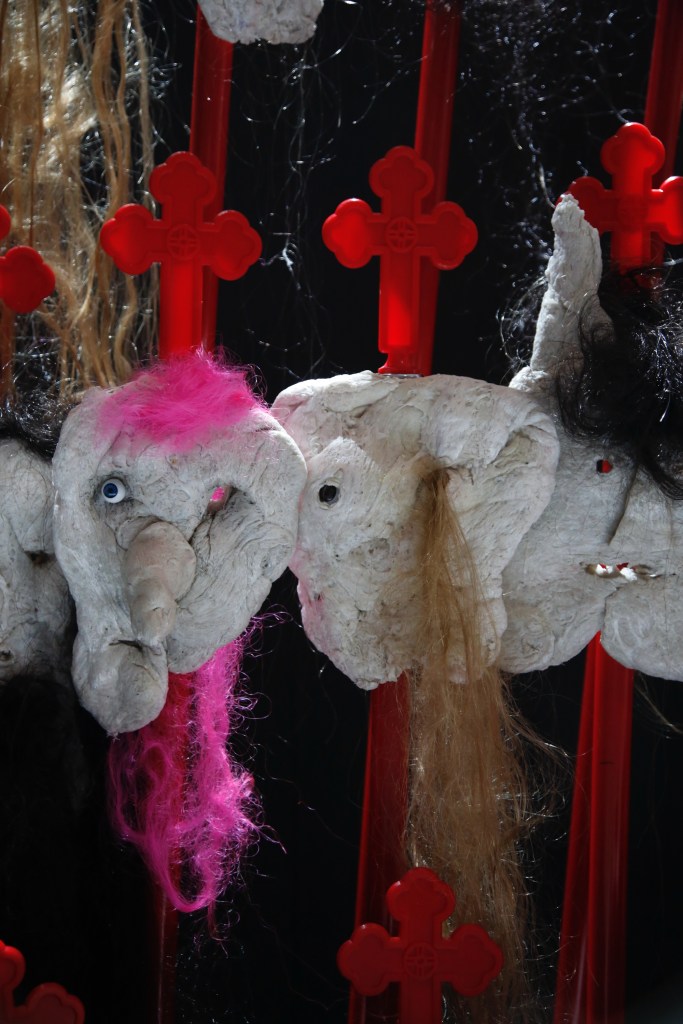
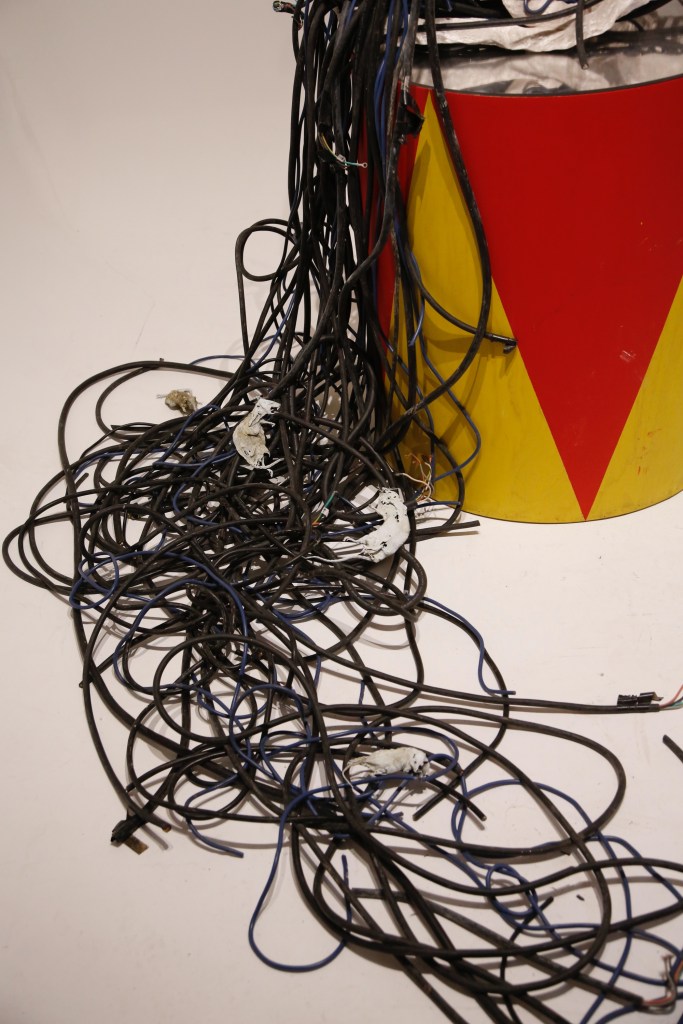
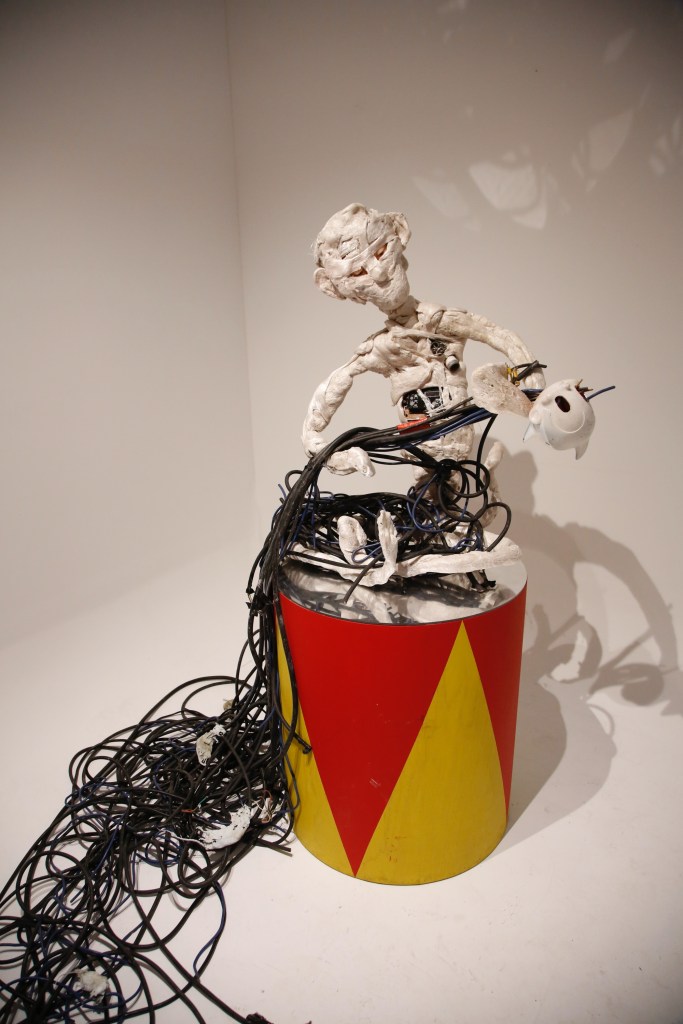
이번 전시는 폐기물, 재활용 재료, 잉고트 스티로폼 등의 조형적 물질을 통해 박철호가 꾸준히 다뤄온 ‘버려진 것들의 생명력’이라는 주제 역시 이어진다. 전시장에는 약 1톤 분량의 스티로폼이 사용되었으며, 조형의 과정에서 쓰이는 기계 앞에서 수초 내에 형태를 결정해야 하는 물성의 조건은 작가의 고민과 시간, 노동의 흔적을 고스란히 담고 있다. 태국 출신 이주노동자들과의 협업, 그리고 그 과정을 거쳐 촬영된 아크로바틱 로봇 ‘아톰’의 내러티브는 전시 전체를 국제적인 정동과 이주, 서사의 상호작용 위에 위치시킨다.
전시 제목 속 ‘지상 최근의 쇼’는 인류의 유산이라 부를 수 있는 ‘서커스’라는 형식을 빌려, 인간의 실패, 감정, 허구적 완벽함을 다루는 우화로 기능한다. 그리고 부록으로 추가된 장면들 속에서는 전쟁 이후의 세계가 본격적으로 펼쳐지며, 인간과 인공지능, 신과 믿음, 파괴 이후에 남겨진 감정이라는 구조가 재정의된다. 《아토믹 보이》는 결국 감정을 연기하고, 실수를 훈련하며, 존재를 증명하는 이 시대 인간성의 조건을 서커스라는 가장 오래된 형식을 통해 역설적으로 되묻는 작업이다. 그리고 그 중심에는 인간과 비인간, 기술과 감정, 장애와 정상성 사이를 유랑하는 존재들이 자리한다.
Atomic Boy: The Latest Show on Earth by Park Chulho, first presented at Open Space Bae in Busan, has been reconfigured for its Seoul exhibition at Puntoblu. While the original presentation unfolded across three floors and five separate rooms, the Seoul edition condenses the narrative into a single unified exhibition space. Rather than a simple repetition, this version introduces new works—Rusty Milk, Crunched Greeting, and Jean Valerque and Heatler—that function as a kind of appendix, enriching the world-building and expanding the conceptual framework of the show. These additions hint at the post-apocalyptic aftermath of the AI-human war foretold in the “Robot Circus Troupe Chronicle,” revisiting themes of religion, faith, and ruin in a dystopian world.
Although inspired by Osamu Tezuka’s Astro Boy, particularly its “Circus” episode, Park’s exhibition is far from a mere homage. It is a complex structure that spans affect, disability, technology, and emotion in the contemporary context. His encounter with artist Hyunwoo Kim, who lives with a developmental disability, profoundly shaped the narrative foundation of Atomic Boy. Kim’s sculptural language—rich with imagined worlds, affective intensity, repetition, and immersive rhythm—became the seed for a world where robots rehearse emotion and perform failure in a surreal circus. In this world, emotion is engineered, sentiment is staged, and depression becomes a conceptual motif. The phrase “Falling down is what makes us human” encapsulates the paradox of machines simulating humanity by performing its most fragile acts.
Park portrays the condition of becoming a “flawless being” as one requiring constant rehearsal and performance of emotion—not unlike the way society treats disability as deficiency and demands those outside normative affect to translate pain and sadness into digestible performances of “humanity.” The circus is not merely a metaphor but an affective apparatus; a satire of what it means to be human today. The ‘error’ becomes a gesture, and repetition a form of survival.
At the heart of the exhibition stands the 26-minute video Atomic Boy, structured into four chapters and an epilogue. It follows “Herto,” who, after receiving a heart and brain transplant from the acrobatic robot Atom, is renamed “Summit” by the French director of the circus troupe. Summit must perform emotion and endure failure to grow. When he fails to convincingly express emotion, he is accused of deceit—“You were faking it.” The condition of having to perform pain to be believed, or to grow to be acknowledged, allegorizes the emotional economies of our time. The conclusion of Summit’s narrative symbolizes the social exclusion that follows emotional illegibility.
The Seoul edition also continues Park’s long-standing engagement with the material afterlives of waste. Approximately a ton of styrofoam were used in the construction of the exhibition. Working with this fragile material demands spontaneous decisions within seconds—a metaphor for the artist’s labor, intuition, and time. Collaborations with Thai migrant laborers further embed the project in a transnational affective geography, while the acrobatic robot’s story entangles migration, narration, and spectacle.
The subtitle “The Latest Show on Earth” borrows the legacy of the circus—a space of excess, failure, and fantasy. Through the addition of the “appendix” works, the show now fully enters a post-human mythos. Park constructs a fable in which robots rehearse feelings, fail productively, and exist in the wake of simulation. At its core, Atomic Boy reopens the question of what it means to be human through one of humanity’s oldest forms of theatre. And at the center are the liminal figures drifting between the human and nonhuman, between flaw and performance, between the norm and its poetic disobedience.



































 Park Chulho